

The Medical University of Gdańsk hosted the international partners of the MAYA project (Smart Mirrors supporting healthier lives of Adolescents and Young Adults after cancer), implemented under the European Union’s Horizon Europe Framework Programme.
The two-day meeting brought together representatives of scientific, clinical and technological centres from several European countries, who are working jointly on the development of innovative tools supporting the health of adolescents and young adults after cancer treatment.
At the Medical University of Gdańsk, the MAYA project is implemented by the team of the First Department of Cardiology at the University Clinical Centre, the teaching hospital of MUG, headed by Prof. Marcin Gruchała. A key element of the project is close cooperation between specialists in cardiology, cardio-oncology, adult oncology and haematology, and paediatric oncology and haematology. This interdisciplinary approach makes it possible to respond comprehensively to the needs of patients after completed oncological treatment and to monitor the long-term effects of therapy more effectively.
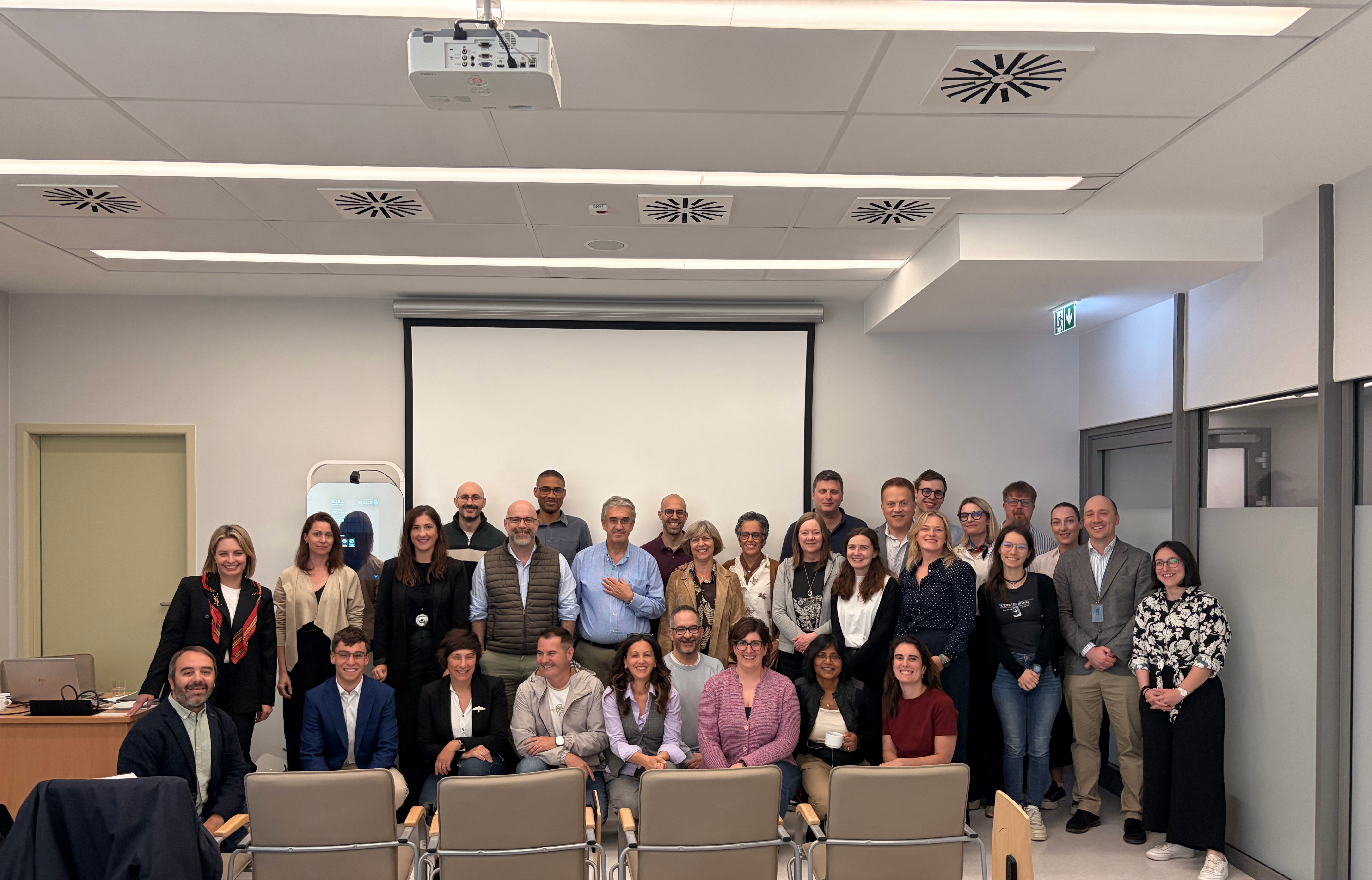
During the meeting, the partners reviewed progress on the iCARE health hub platform, which integrates a Smart Mirror with artificial intelligence-based solutions. Discussions also covered preparations for pilot studies, methods for assessing the effectiveness of the technologies under development, and activities related to the dissemination of the project results.
The MAYA project is an excellent example of how modern technologies can support medicine and respond to the real needs of patients. Through cooperation between experts from many countries and different fields of medicine, we are developing solutions that may help young people after cancer treatment monitor their health and lead healthier lives. The meeting in Gdańsk was an important step in the further implementation of our objectives, emphasised Michał Bohdan, M.D., Ph.D. from the 1st Department of Cardiology at the MUG, project leader on behalf of the Medical University of Gdańsk.
The programme also included presentations on the activities of the Medical University of Gdańsk and the University Clinical Centre. Participants visited selected areas of the hospital, becoming acquainted with the clinical and scientific potential of the UCC. The guests also had the opportunity to learn about the history and cultural heritage of Gdańsk during a walk through the historic city centre.
The meeting provided an opportunity not only to summarise the project’s achievements to date, but also to further strengthen cooperation between the consortium partners. The outcomes of the joint activities are expected to contribute to improving the quality of life and long-term care of young people who have experienced cancer.


