

The international conference Undiagnosed Day 2026 – Where Diagnosis Becomes Hope: The Power of Collaboration and Technology in Rare Diseases, dedicated to contemporary diagnostic challenges in rare and undiagnosed diseases, was held on 30th April 2026 at the Invasive Medicine Centre of the University Clinical Centre, the MUG hospital. The event brought together experts from Poland and abroad, representing the scientific and clinical communities, public and system-level institutions, as well as patient organisations.
– The strength of the Medical University of Gdańsk lies not only in its students and strong ranking positions, but above all in the high quality of its clinical services and research. Rare diseases constitute a priority area on which we are focused and which we continue to develop systematically – said Prof. Michał Markuszewski, Rector of the MUG.
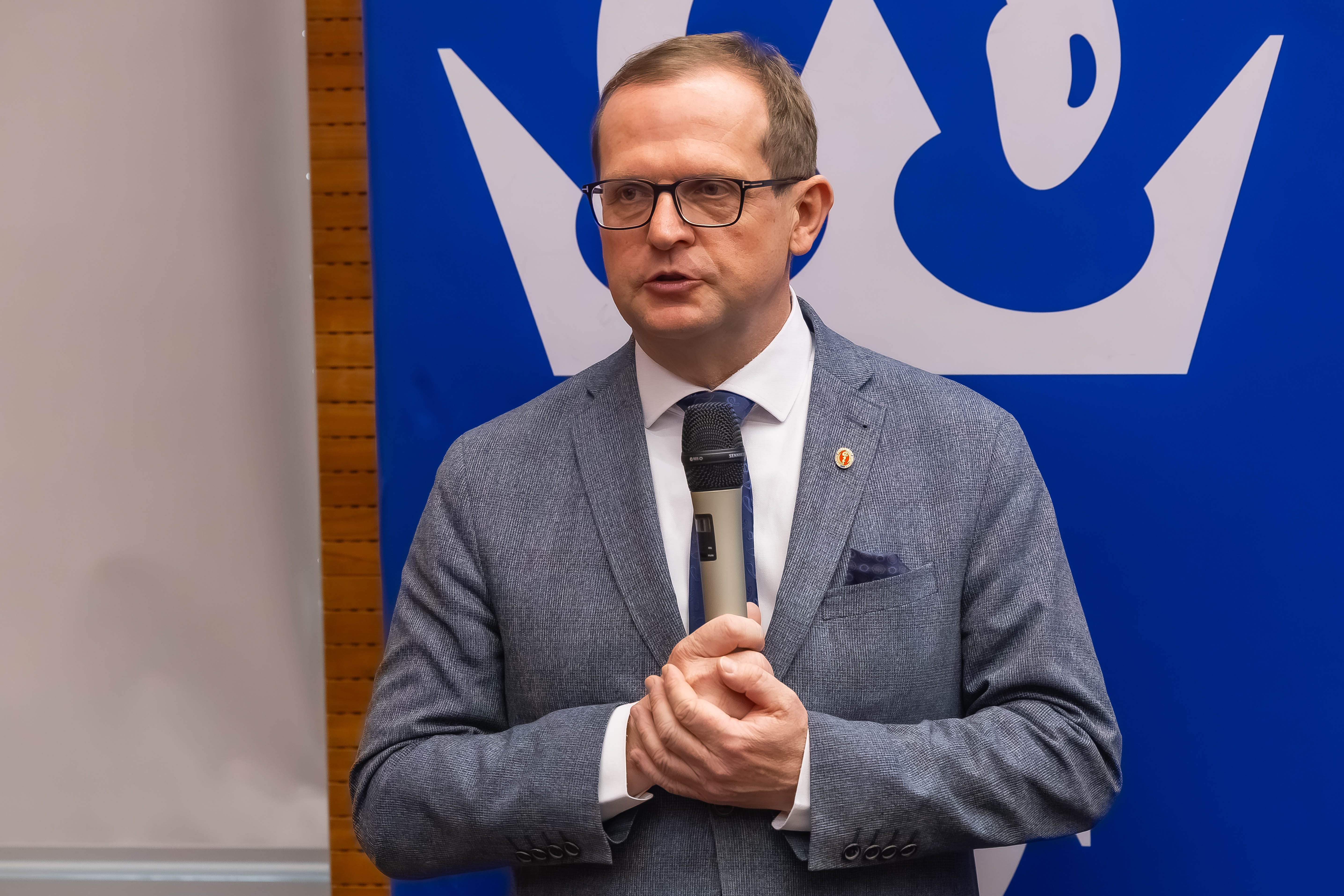
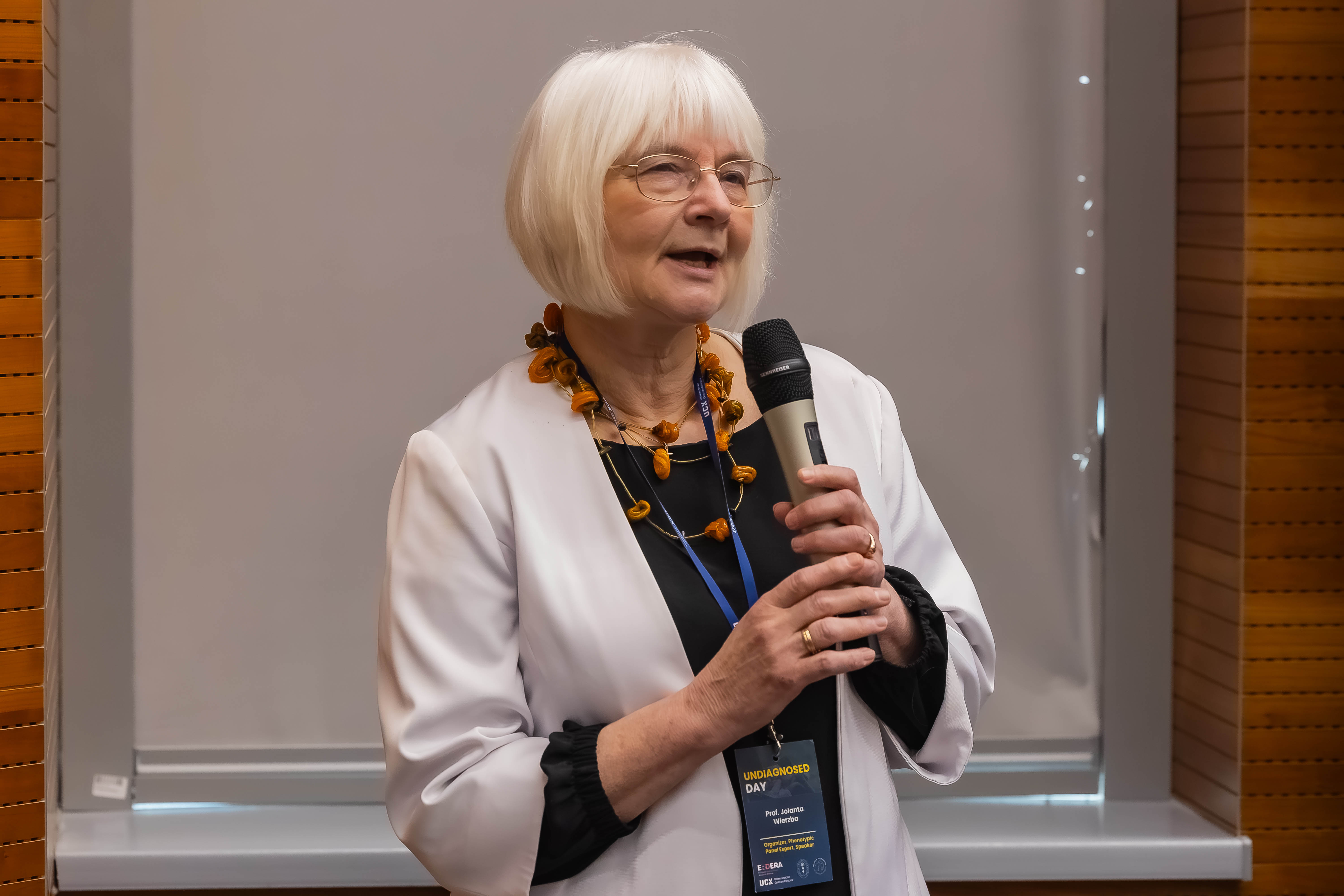
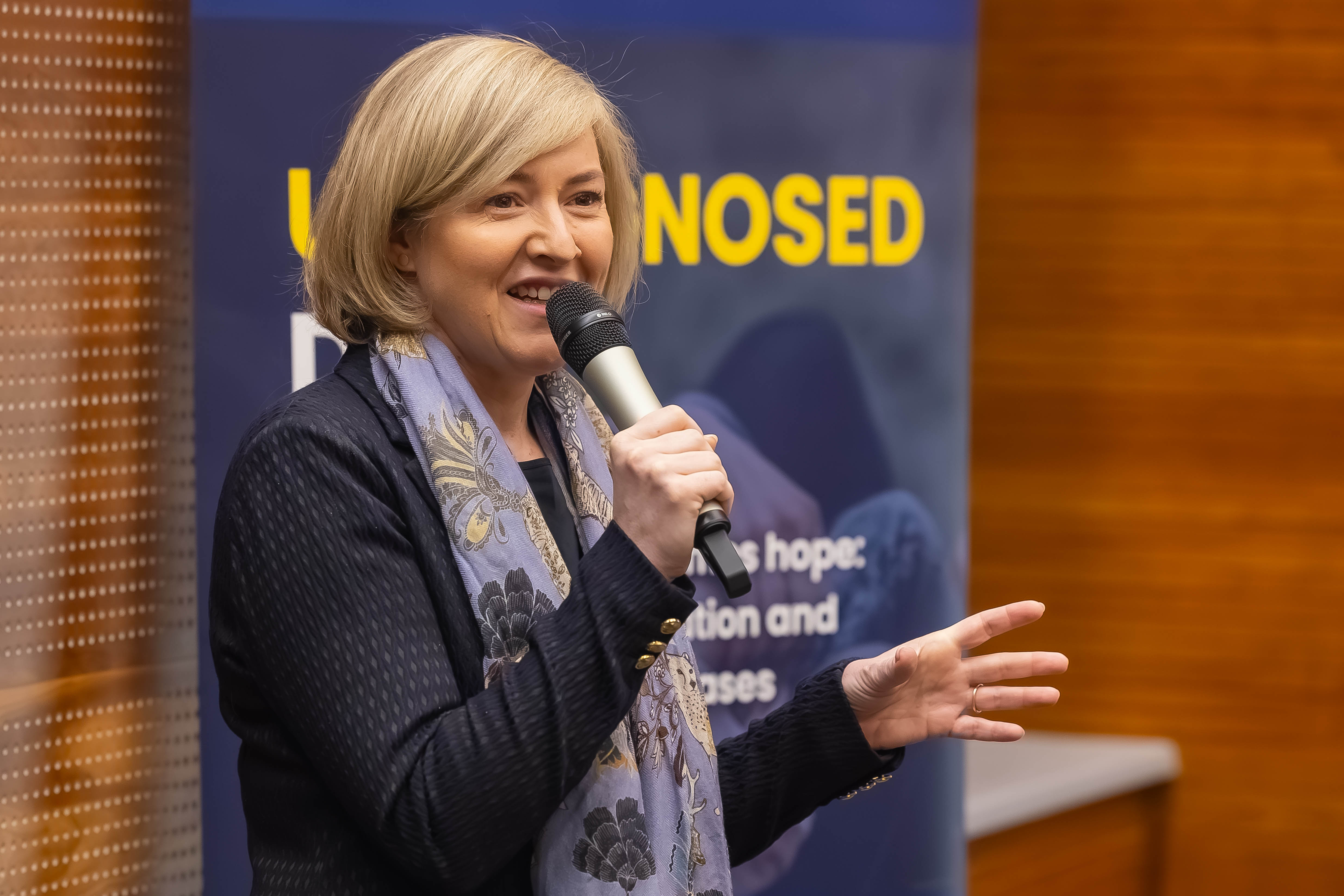
The conference was opened by representatives of the University and hospital authorities, alongside experts engaged in the development of care for patients with rare diseases: Prof. Michał Markuszewski, Rector of MUG; Tomasz Stefaniak, M.D., Ph.D., D.Sc., Deputy Director for Clinical Affairs at the UCC; Prof. Jolanta Wierzba, Head of the Rare Diseases Centre in Gdańsk; Prof. Maria Mazurkiewicz-Bełdzińska, Head of the Department of Developmental Neurology at the UCC; and Maja Bartoszewicz-Moritz, representative of the Patient Council at the Rare Diseases Centre in Gdańsk.
– In Poland, we strive to provide increasingly effective care for patients with rare diseases. Our hospital began this work many years ago; however, what is most important—and worth emphasising – is the strong collaboration we maintain with organisations dedicated to rare diseases, including those representing parents of affected children. We recognise that even in the absence of a definitive diagnosis, patients require both hospital care and social support, and this is the approach we adopt – explained Prof. Jolanta Wierzba.
Maja Bartoszewicz-Moritz stressed that without access to appropriate diagnostics, it is not possible to implement effective solutions or ensure adequate patient care. – We are here because of rare diseases. I am pleased that we have gathered as stakeholders committed to ensuring that individuals without a diagnosis are not overlooked. Delayed diagnosis does not simply mean delayed treatment – it has far more serious consequences. Diagnosis is a fundamental component of the entire care pathway – she noted.
The introductory session was delivered by Helene Cederroth from the Wilhelm Foundation and Daria Julkowska, Ph.D. representing ERDERA, who highlighted the importance of international collaboration and advanced technologies in shortening the diagnostic journey. – We are grateful to the Medical University of Gdańsk and the University Clinical Centre for hosting this meeting, together with the Wilhelm Foundation and ERDERA, in a place where science, patient care and compassion converge. Here, families, clinicians and researchers work together to improve diagnostic outcomes.
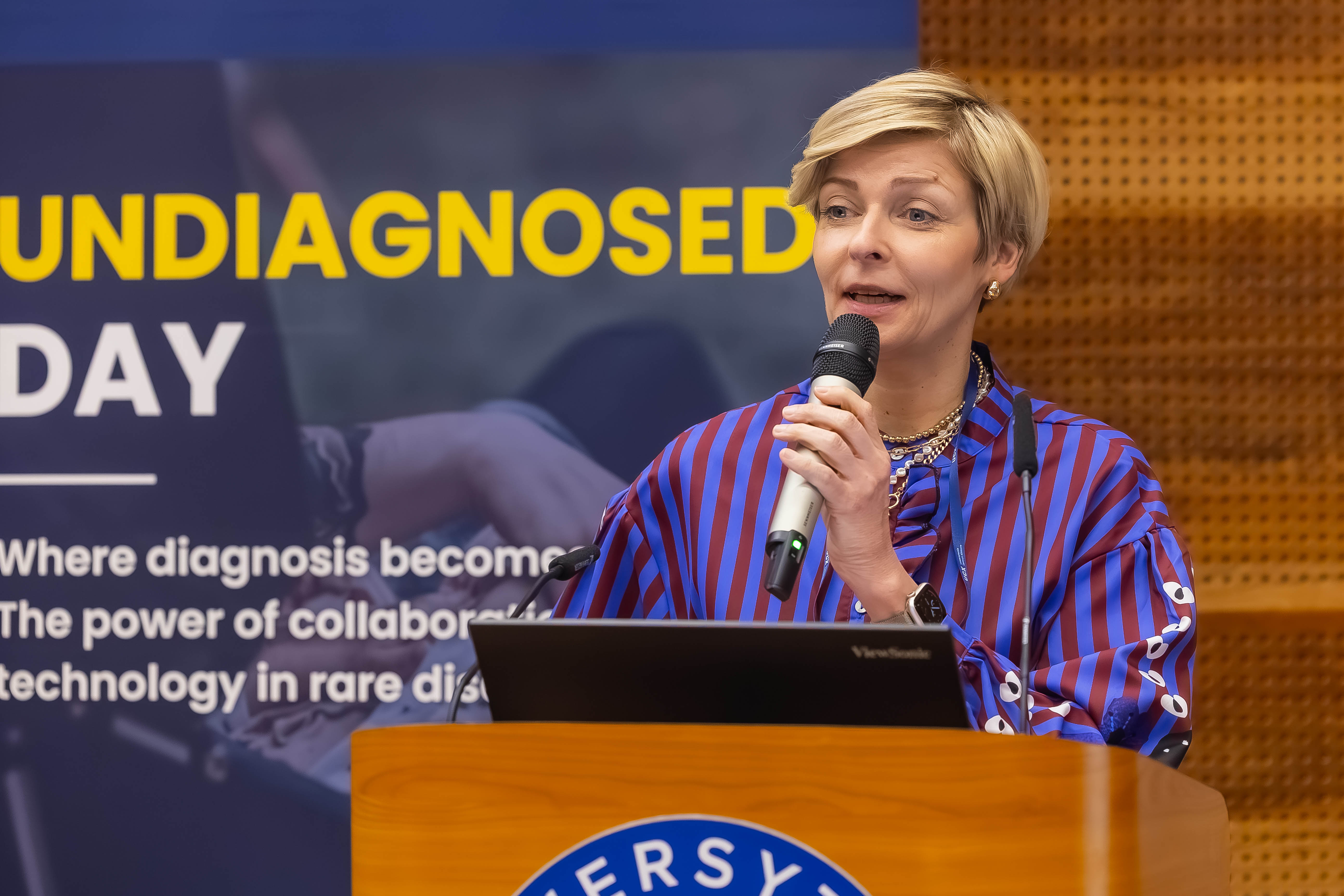
– Healthcare systems are significantly burdened by the growing number of undiagnosed patients. It is estimated that approximately 350 million people worldwide are affected by rare diseases, many of whom remain without a diagnosis. While the diagnostic process is said to take an average of four to six years, this applies only to around 40% of known rare diseases; for the remaining 60%, a diagnosis is still not possible. This must change, and it must be addressed. Our responsibility is to strengthen collaboration continuously – not only within Poland, but also internationally – added Helene Cederroth.
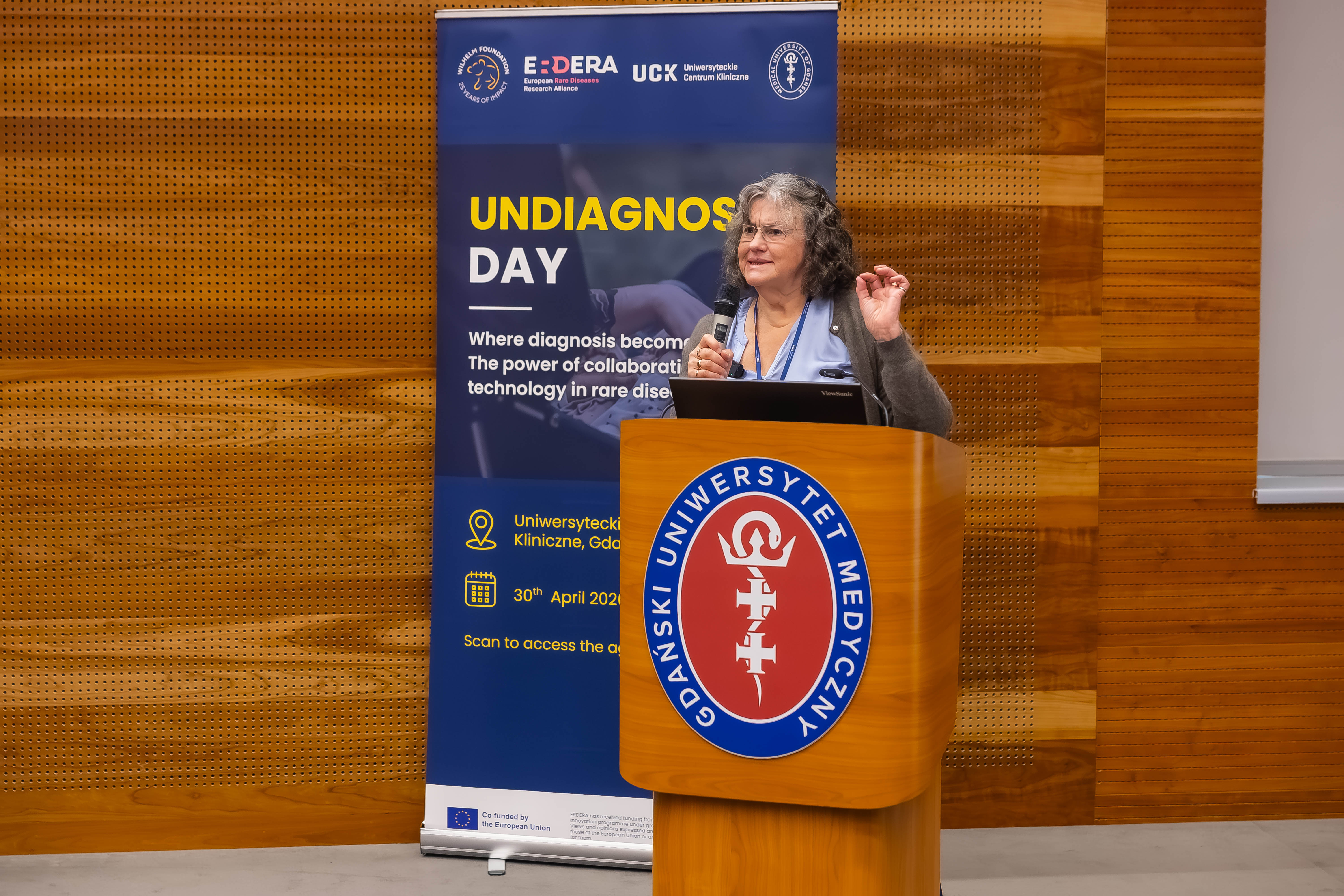
One of the central themes of the conference was the evolution of the diagnostic pathway in rare and undiagnosed diseases. Experts demonstrated how advances in clinical genetics, functional genomics, and modern data platforms enable faster and more precise diagnosis of complex conditions.
Prof. Maria Mazurkiewicz-Bełdzińska emphasised that multidisciplinary collaboration is essential for both the implementation of new therapies and improved diagnostic accuracy. – Neurological disorders frequently coexist with rare diseases. Considering them together provides a more comprehensive perspective and may fundamentally change how neurological conditions are understood. Only recently have sufficiently advanced diagnostic tools become available. Over the past 30 years, knowledge of rare diseases has developed remarkably, driven by scientific progress, growing expertise, and effective collaboration between leading centres. We are proud that the Rare Diseases Centre in Gdańsk, led by Prof. Jolanta Wierzba, plays an important role in supporting this development.
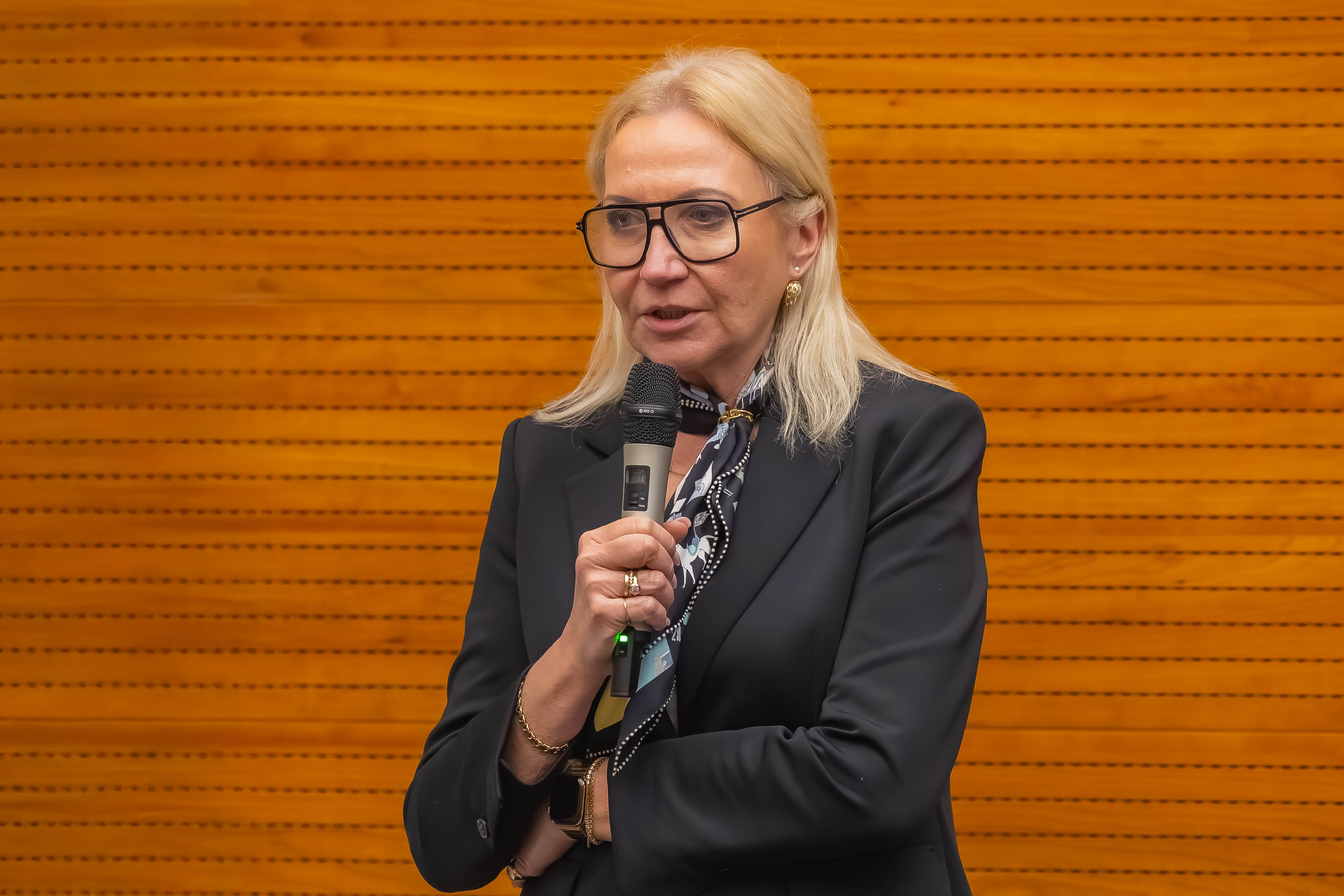
The conference also addressed the global perspective, including international research initiatives aimed at accelerating diagnosis and strengthening healthcare systems’ capacity to recognise rare diseases. Particular attention was given to the situation of patients in Poland and to emerging tools supporting the diagnosis of undiagnosed conditions.
An important element of the programme was a session dedicated to real-world clinical cases—both successfully diagnosed and still unresolved. These case studies illustrated the complexity of the diagnostic process and highlighted the importance of interdisciplinary collaboration, reanalysis of genetic data, and information exchange between centres.
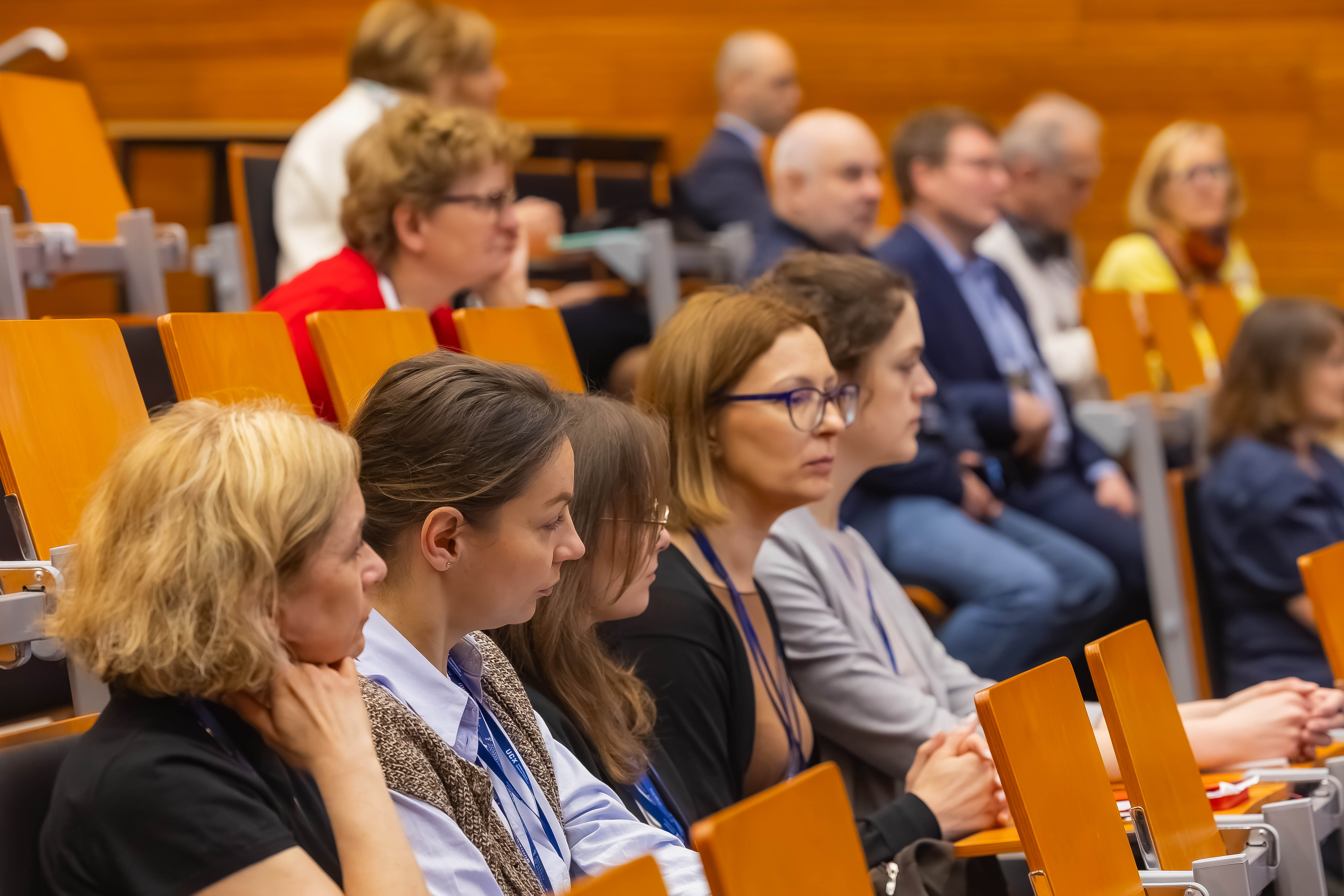
Presentations emphasised the role of precision medicine in diagnostics, while also identifying areas where limitations remain and further research and technological development are required.
Another session focused on the practical, ethical and systemic aspects of caring for patients who remain without a definitive diagnosis despite advanced investigations. Discussions addressed the organisation of comprehensive, patient-centred care, based on the needs of patients and their families rather than solely on diagnostic labels.
Experts highlighted the importance of partnership between medical teams and patients’ families, responsible conduct of research, and the provision of adequate psychosocial support. Issues related to data protection, management of medical data, and the impact of prolonged diagnostic processes on quality of life were also discussed.
The final session focused on the role of international collaboration and shared data registries in advancing rare disease diagnostics. Speakers presented examples of European initiatives and reference networks that enable more efficient data sharing and analysis, thereby shortening the time to diagnosis and improving patient care.
It was emphasised that the development of data infrastructure and collaboration between clinical and research centres will be key to the future of medicine in the field of rare diseases.
The conference was organised by the Wilhelm Foundation, ERDERA, and the Rare Diseases Centre operating at the Medical University of Gdańsk and the University Clinical Centre.


