

Nearly 300 participants from nine European universities, alongside representatives of the scientific community, businesses and business support organisations, took part in international events organised by the ACE²-EU Alliance at the Medical University of Gdańsk. Over three days, from 24th to 26th November, the MUG provided a platform for meetings, the exchange of experience and the development of ideas for joint research and innovation initiatives.
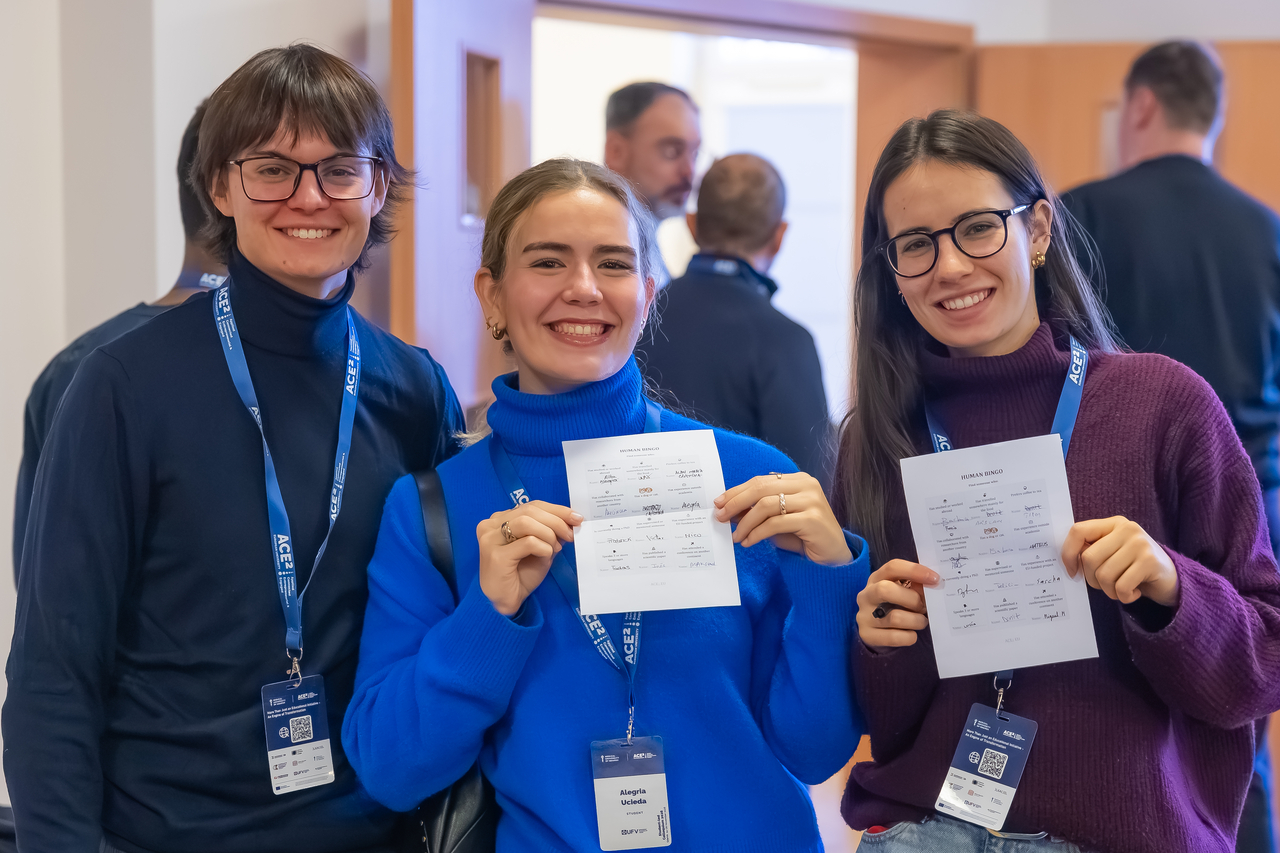
Two events were organised within the Alliance: the ACE²-EU Student-Led Colloquium 2026 and the ACE²-EU ARC Industry Engagement Event 2026. Both, delivered as part of the ARIES Incubator initiative, focused on fostering international cooperation, supporting innovation and strengthening relations between academia and the business sector.
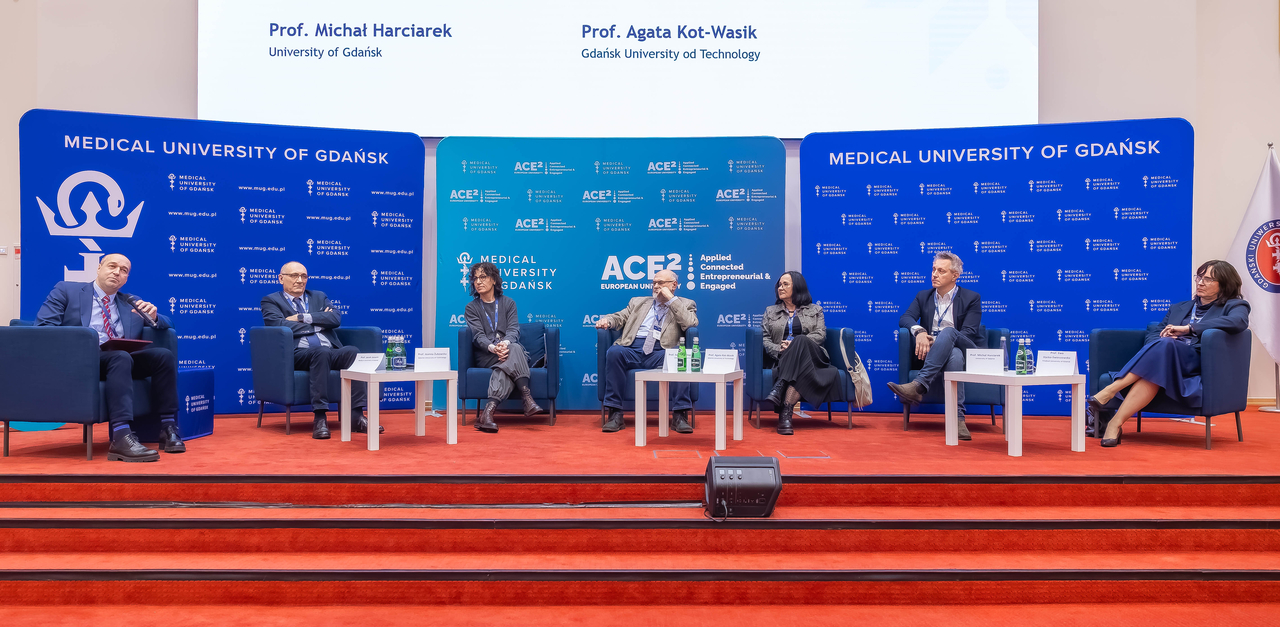
The first day opened with a welcome address by the Rector of the Medical University of Gdańsk, Prof. Michał Markuszewski. This was followed by addresses from Prof. Michał Hoffmann, Vice-Rector for Clinical Affairs, and Prof. Anna Żaczek, Vice-Rector for Development and Cooperation, who emphasised the importance of international cooperation and the initiatives undertaken within the ACE²-EU Alliance. Subsequent presentations focused primarily on the research potential of the partner universities and opportunities for collaboration with businesses and institutions across the Pomeranian region. An important part of the programme was a discussion on academia–industry relations and the commercialisation of research findings. Participants explored how scientific ideas could be translated into practical solutions and how industry could be more effectively engaged in research projects. Among the contributors to the discussion was Assoc. Prof. Maciej Tankiewicz, Ph.D., D.Sc. Acting Head of the Division of Environmental Toxicology, who highlighted the growing expectations of industry towards the scientific community and the need to develop solutions addressing specific practical requirements.
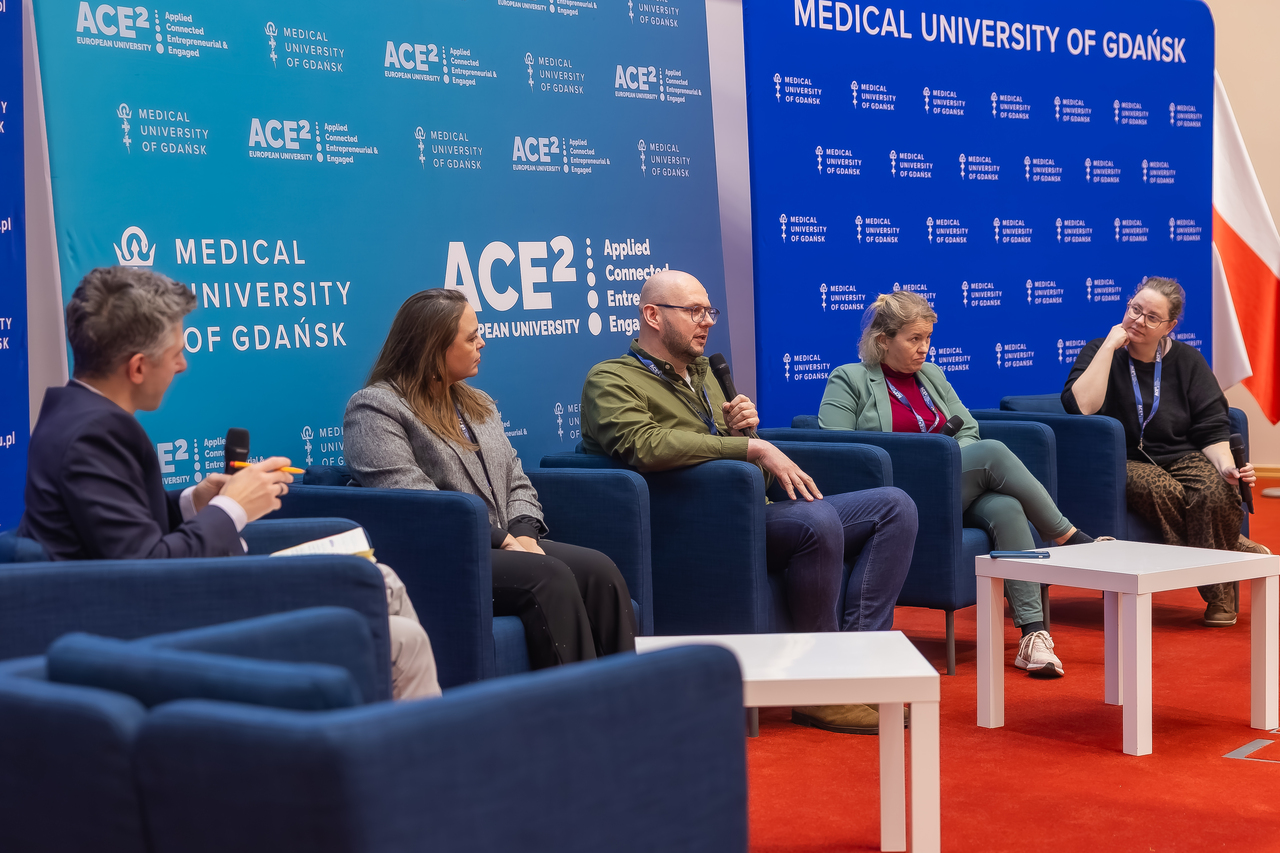
The programme also addressed the career development of early-career researchers. Piotr Spychalski, M.D., Ph.D. from the Department of Surgical Oncology, Transplantation and General Surgery at the MUG shared his experience in preparing grant applications and scientific publications, highlighting the importance of effective work planning and developing research skills. The day concluded with the ACE-Talk entitled Beyond Publications – Turning European Research into Solutions for Society. During the session, Prof. Joanna Żukowska from Gdańsk University of Technology emphasised the importance of teamwork and researchers’ commitment to achieving scientific success and translating research findings into societal benefits.
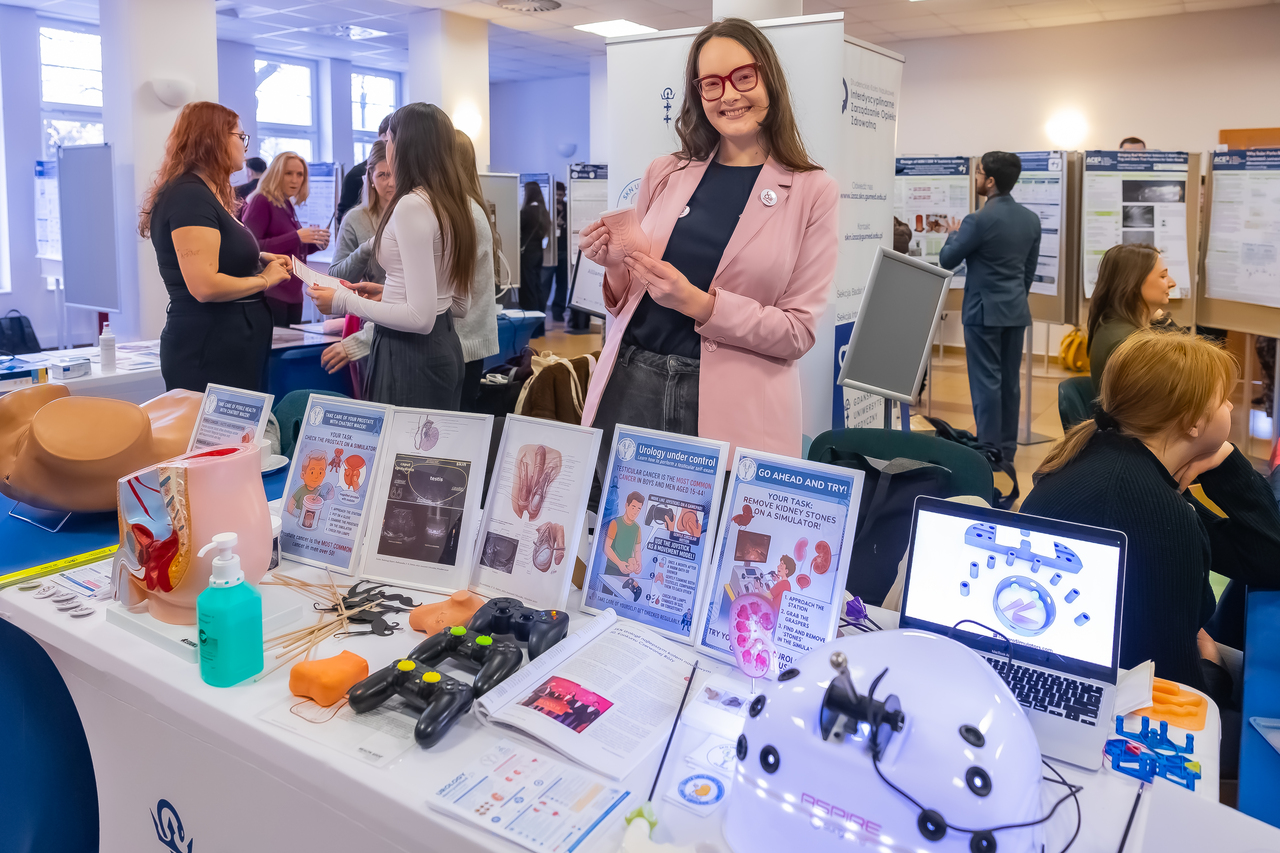
An important component of the programme was the ACE²-EU Student-Led Colloquium, which provided a platform for students and PhD students from nine European universities to showcase their research achievements. More than 30 research projects were presented during the poster session, covering topics such as sustainable technologies, nutrition education, cultural inclusivity, digital transformation and health. Early-career researchers had the opportunity to present their findings, engage in discussions with experts and fellow participants, and receive constructive feedback.
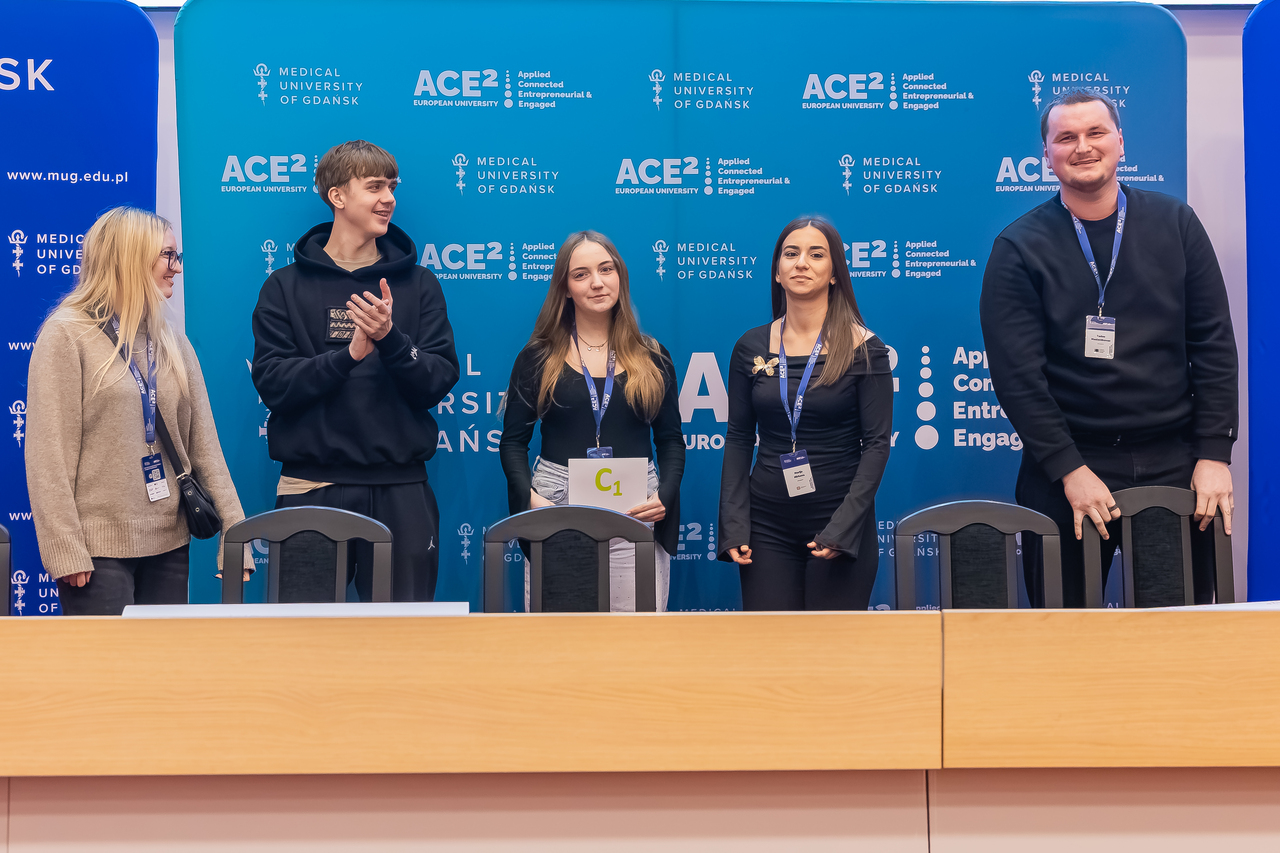
The programme also featured an ambassadors’ panel focusing on development opportunities within the ACE²-EU Alliance and the experiences of individuals previously involved in ARIES Incubator initiatives. Participants also attended the Polish Your Communication Skills workshop, where they developed their skills in presenting research findings, communicating ideas and working collaboratively.
The final day of the Student-Led Colloquium focused on identifying practical solutions to contemporary challenges. During the Challenge Marketplace, participants were introduced to challenges relating to health, sustainability and emerging technologies, among other areas, before selecting topics to address in international teams. As part of the ACE²-EU Impact Lab, participants worked with the support of mentors to develop proposed solutions, which they subsequently presented to a jury during the final Battle of Ideas.
The proposals included concepts aimed at enhancing the reliability of medical artificial intelligence tools, mitigating AI-generated misinformation, reducing plastic waste in laboratories, addressing overheating in urban spaces and promoting physical activity.
During the closing ceremony, awards were also presented to the authors of the best posters across three thematic categories. In the Sustainable Science & Innovation category, the award went to Markus Gregor from Technische Hochschule Ingolstadt in Germany for his work entitled Identification and Interpretation of BMS Signals through CAN Bus Reverse Engineering. In the Digital Transformation category, the award was presented to Madalina Sgîndar from Constantin Brâncuși University of Târgu Jiu in Romania for her work entitled From Inbox to Agent: Digital Transformation of University Admissions with a Grounded RAG Assistant. In the Health & Wellbeing category, Ana Valenzuela from Universidad Francisco de Vitoria in Spain received the award for her work entitled Characterization of the Antitumor Potential of Small Molecules Modulating Chaperonin CCT Activity.
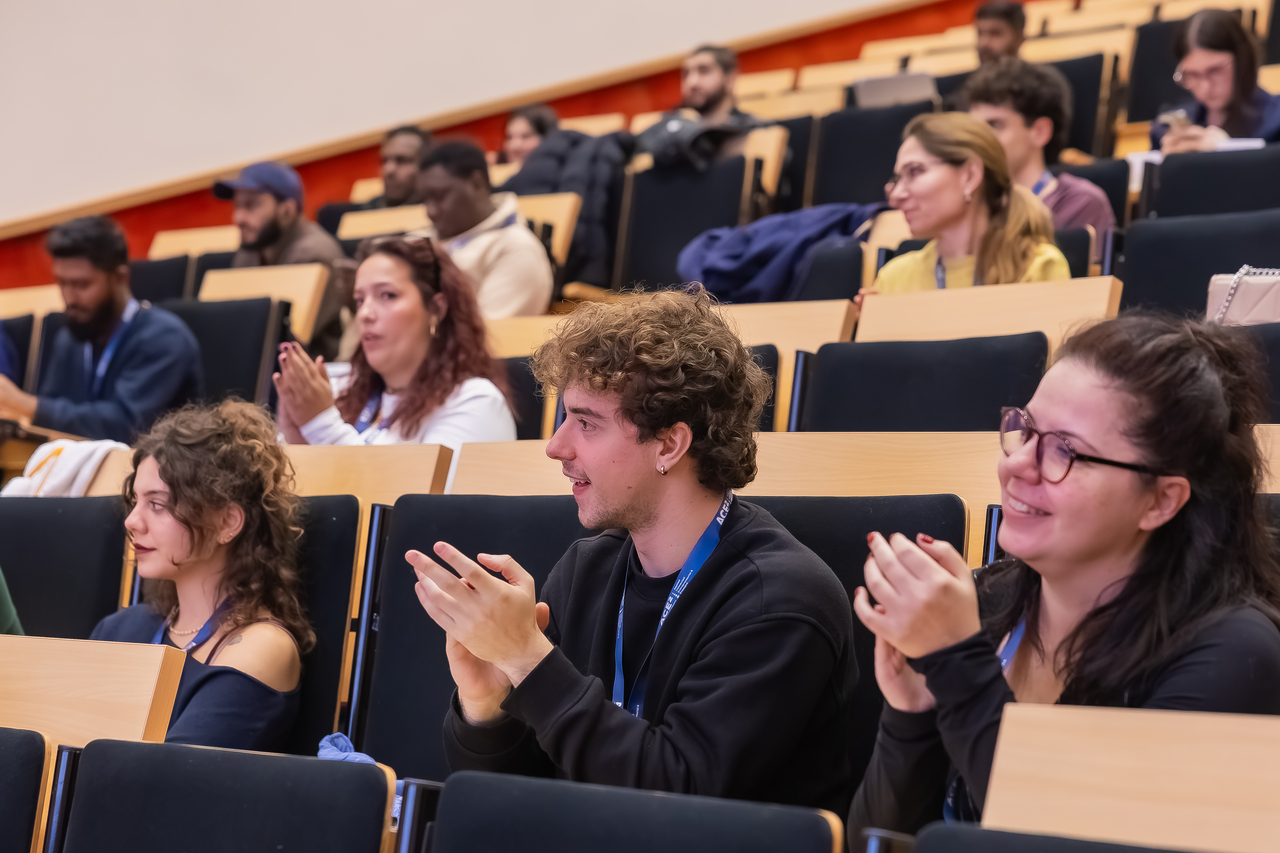
Running alongside the activities for early-career researchers was the ACE²-EU ARC Industry Engagement Event, which aimed to strengthen cooperation between universities and the business sector. The event culminated in a matchmaking session, facilitating direct meetings between researchers, university staff and business representatives. Participants also gained insight into the activities of units at the partner universities responsible for technology transfer, knowledge transfer and supporting academic entrepreneurship. Discussions explored opportunities for joint research projects, technological partnerships, internships and open innovation initiatives. The next edition of the ARC Industry Engagement Event is scheduled to take place in Portugal in early 2027.



