

The The Future of ACE²-EU Alliance conference was held on 8th–9th September 2026 at the Centre for Non-Invasive Medicine of the Medical University of Gdańsk. The meeting brought together representatives of the nine partner universities of the ACE²-EU Alliance, its leadership and project teams, as well as representatives of other European university alliances, who shared their experiences in building international academic cooperation.
The event was organised by the ACE²-EU Alliance Office at the Medical University of Gdańsk. The conference proceedings were coordinated by Katarzyna Bruder, Head of ACE²-EU Alliance Office, who moderated individual parts of the meeting. The programme included presentations, discussions and sessions devoted to the future of cooperation within the Alliance, joint educational initiatives, mobility opportunities and the further development of ACE²-EU structures.
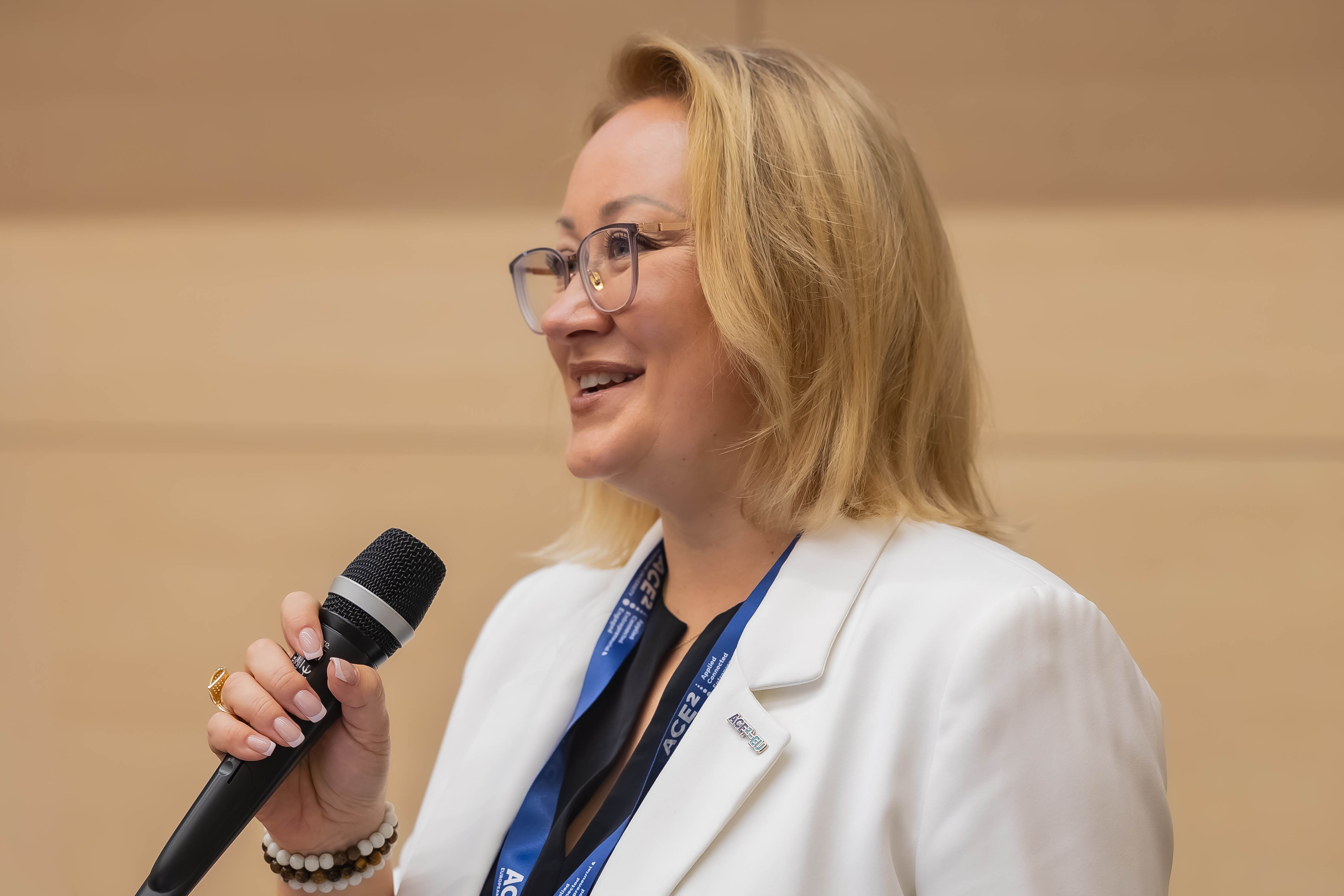
The event was opened by Prof. Anna Żaczek, Vice-Rector for Development and Cooperation, who welcomed the participants and emphasised the importance of international cooperation for the development of the University and for building lasting relations between partners.
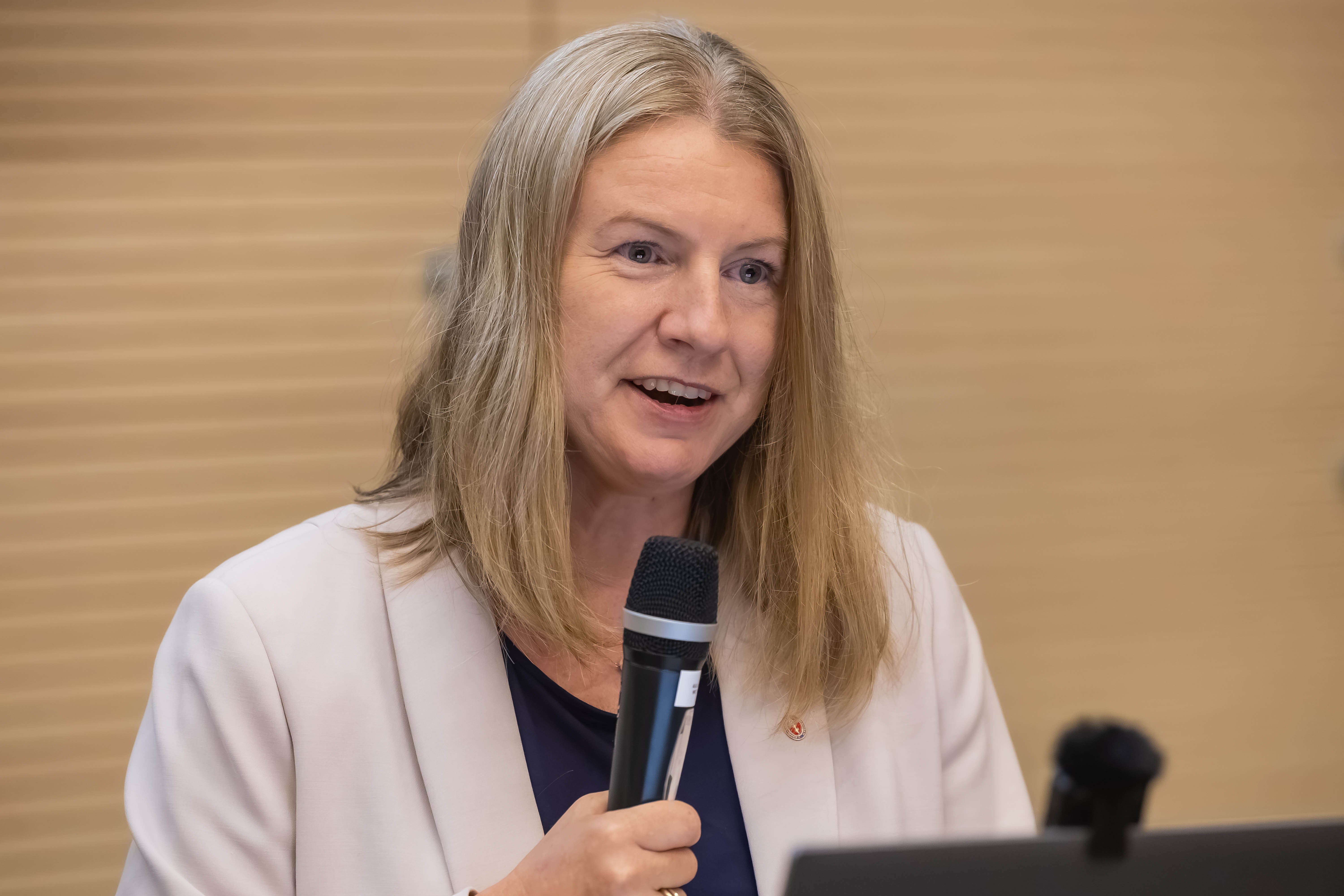
Representatives of the authorities of the Medical University of Gdańsk also took the floor during the conference. Prof. Agnieszka Zimmermann, Vice-Rector for Education, spoke about the directions of development in contemporary teaching, the importance of education quality and the need to create an educational offer that responds to the changing needs of students and the socio-economic environment.
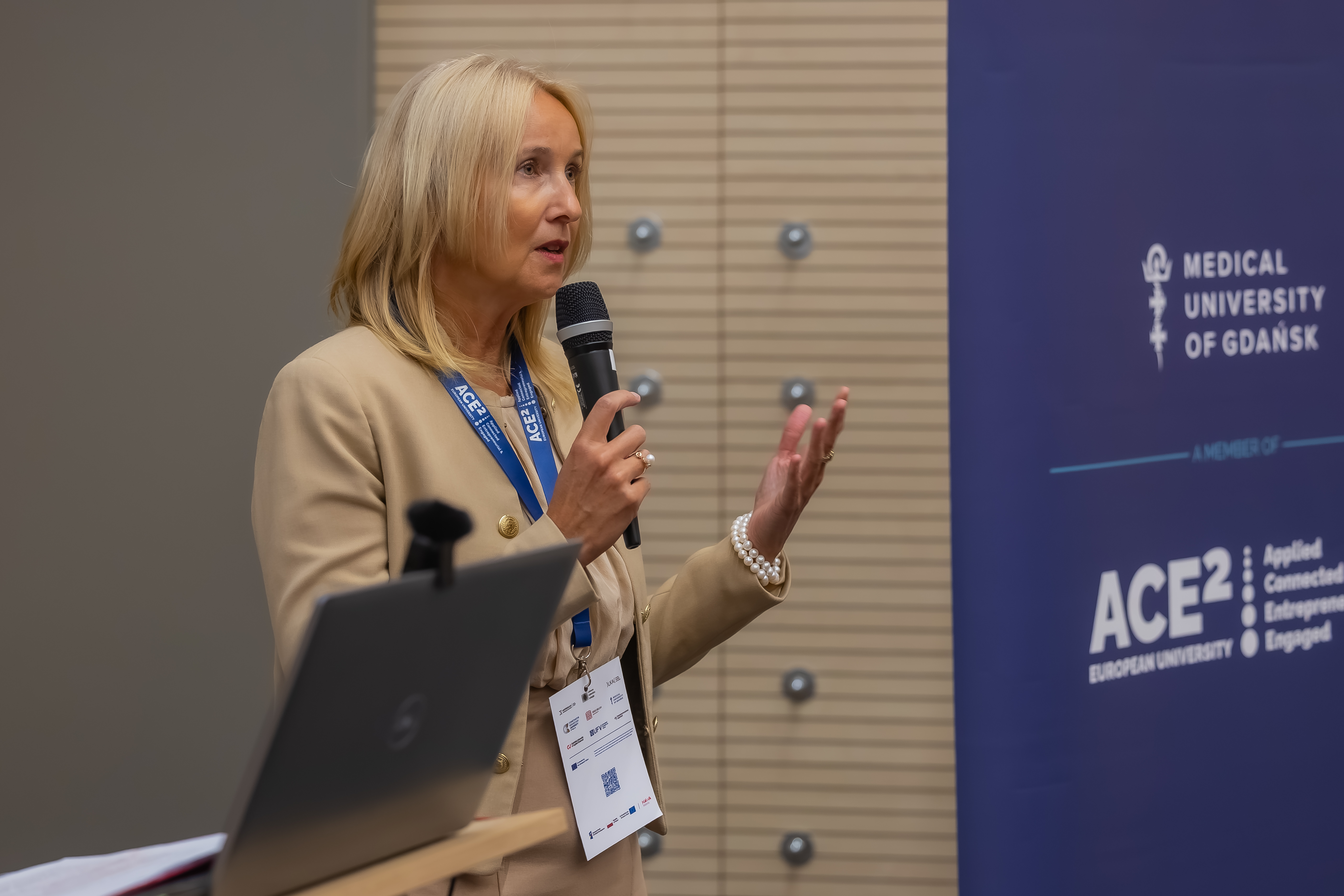
Prof. Michał Żmijewski, Vice-Rector for Research, drew attention to the role of science and research as a foundation for university development, as well as to the importance of scientific cooperation in shaping the future of European higher education.
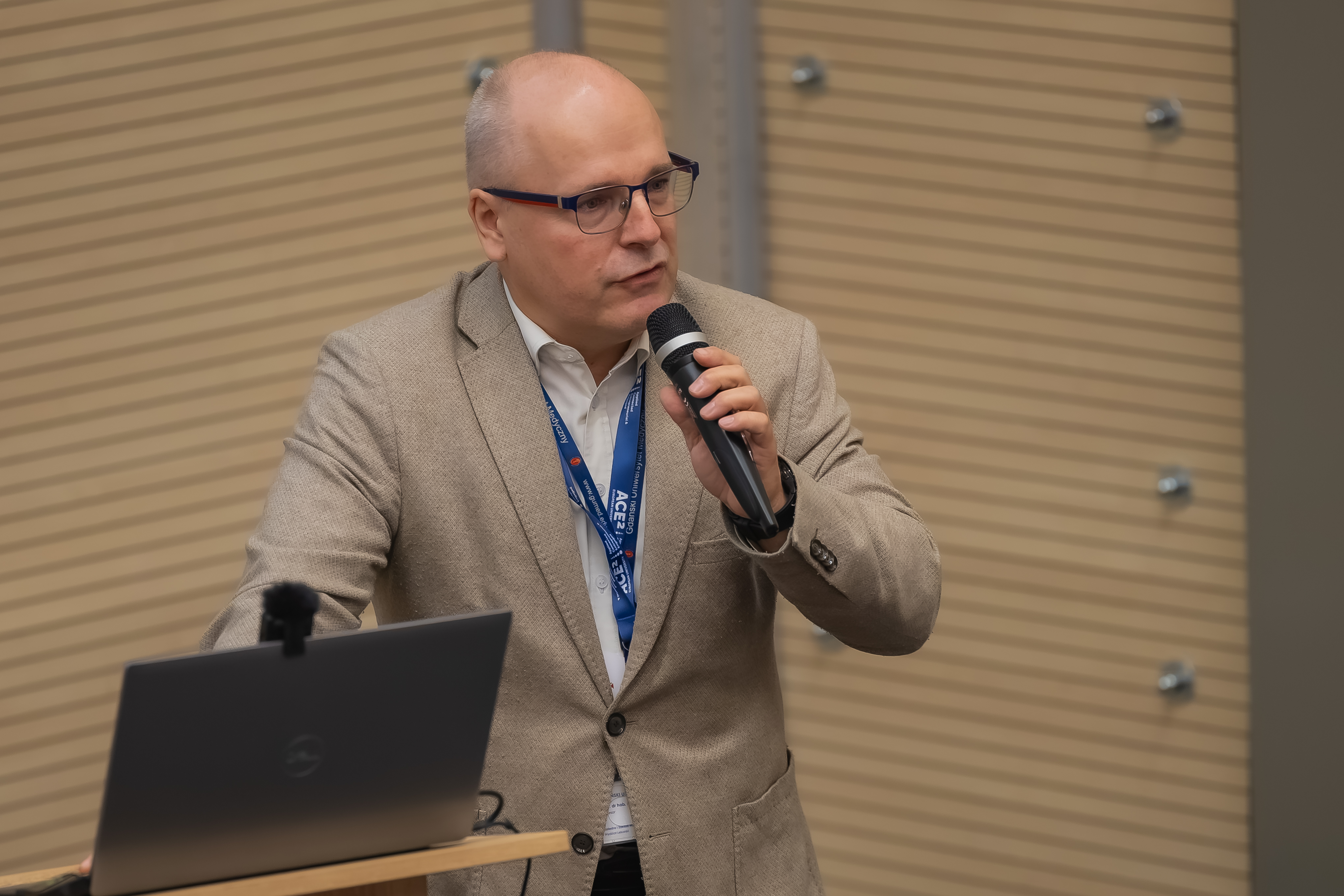
One element of the conference was a presentation of the experience gained by the Medical University of Gdańsk through the implementation of the Support for European Universities project, financed by the Polish National Agency for Academic Exchange (NAWA), and of the possibilities for using this experience in the further development of cooperation within ACE²-EU.
The practical dimension of cooperation was also presented by Anna Kuciejczyk, Ph.D. and Magda Warzocha from the Department of Foreign Languages, who introduced the Language Tandems initiative – a project supporting the development of language competences and direct cooperation between participants from partner universities.
An important contribution to the discussion was also made by representatives of other European university alliances. They presented selected solutions and experiences from the activities of their alliances to date, referring, among other issues, to the organisation of joint activities and mobility schemes. Their presentations made it possible to consider the development of ACE²-EU within a broader European context.
During the two days of discussion, participants also addressed the future cooperation model of ACE²-EU and the opportunities arising from the Alliance obtaining legal personality. The conference therefore served not only as a summary of activities carried out so far, but above all as a space for dialogue on the next stages in the development of cooperation.
The conference was one of four international ACE²-EU events organised at MUG at the beginning of September. In the same week, the Medical University of Gdańsk hosted participants of the ACE²-EU Grants Academy – an intensive programme addressed to early-career researchers. The programme was prepared jointly by the Medical University of Gdańsk, Technische Hochschule Ingolstadt and Carinthia University of Applied Sciences, and focused on developing competences related to the preparation of international grant applications.
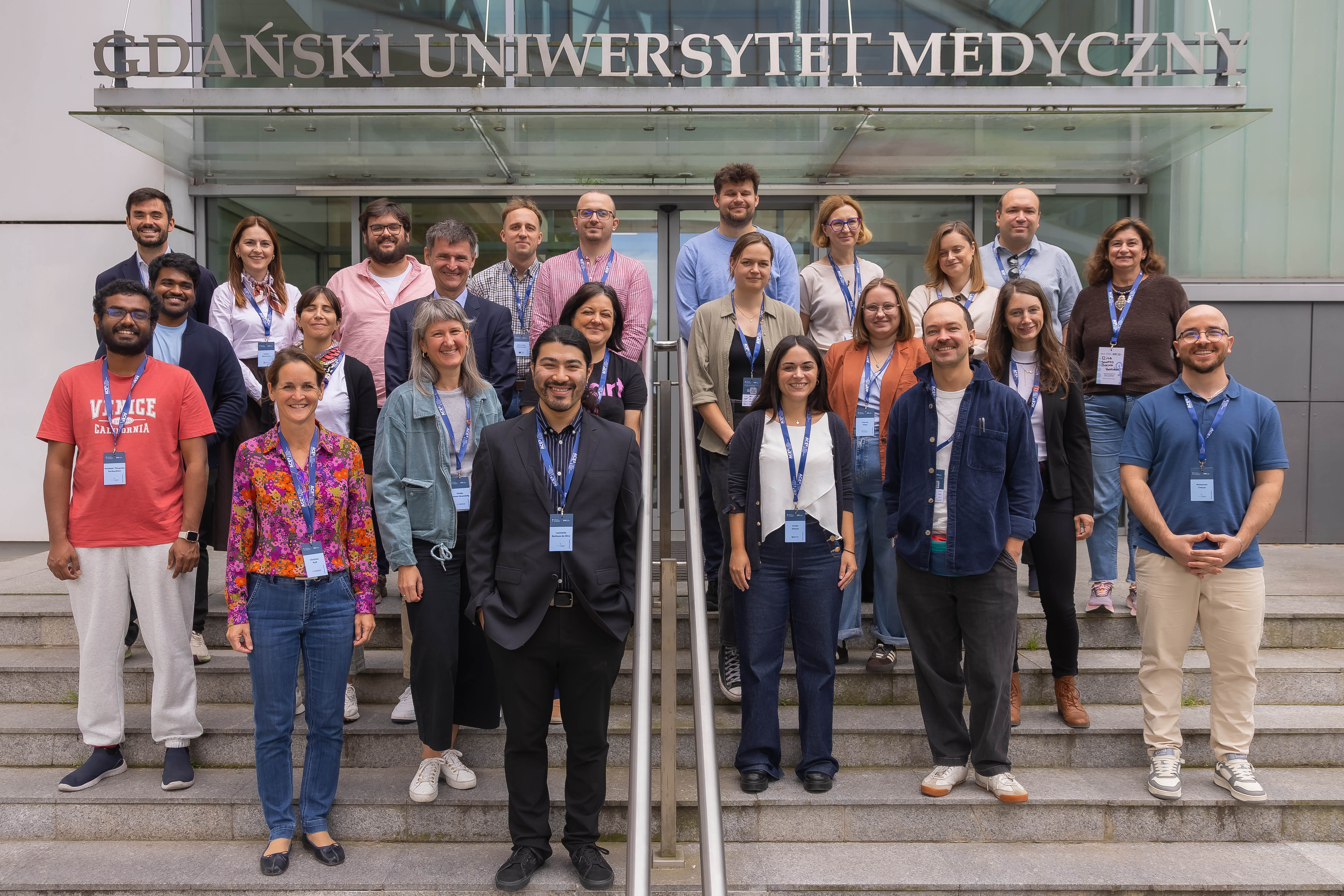
At the same time, two Blended Intensive Programmes addressed to academic teachers were held. The first, Problem-Based Learning in Academic Education, focused on the use of PBL in teaching practice. Participants explored methods of designing classes that develop critical thinking, cooperation and student autonomy, while also linking the learning process to real-life problems.
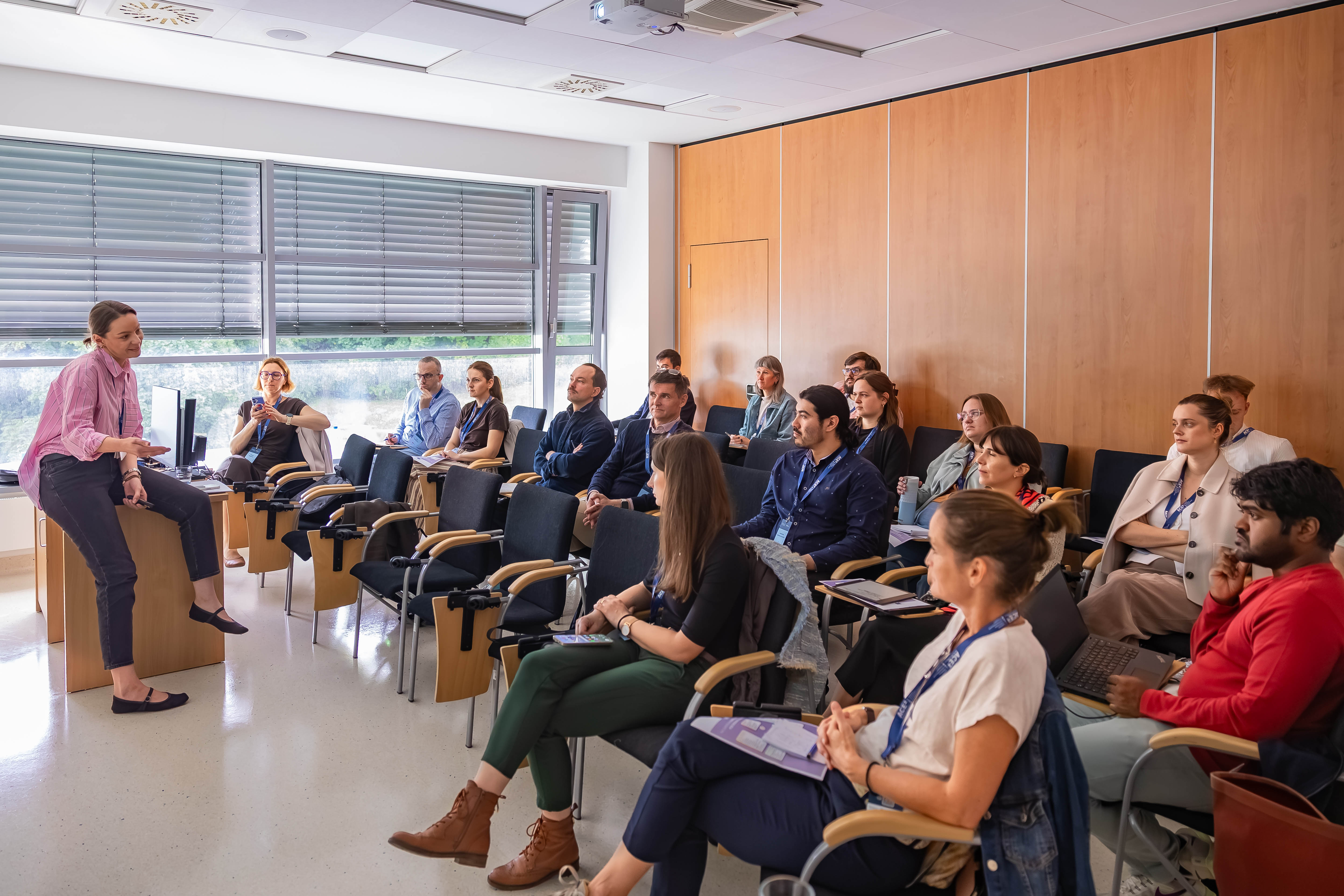
The second programme, Modern Academic Teaching: Student Engagement, Gamification, Tutoring and Artificial Intelligence, was devoted to modern methods of engaging students in the educational process. Participants worked, among other topics, on the use of gamification, tutoring and artificial intelligence in teaching, with particular emphasis on the responsible and conscious use of new technologies.
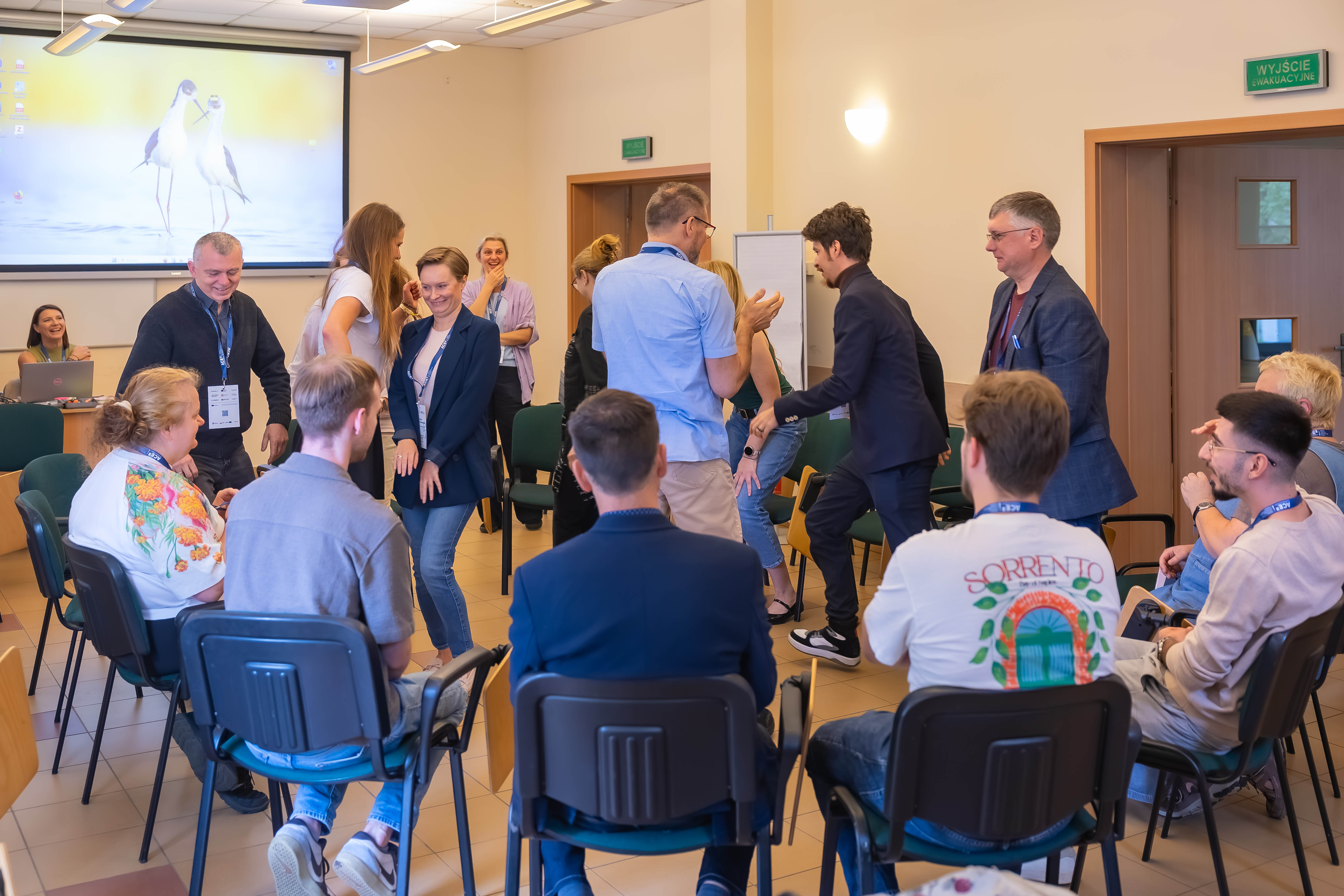
Together, these events created a space for representatives of different academic groups to meet and exchange experiences related to research, teaching and the development of European cooperation. They were another example of how activity within the ACE²-EU Alliance translates into concrete initiatives implemented jointly by its partners.


