

Representatives of the Medical University of Gdańsk attended the 2nd Annual Congress of the ACE²-EU Alliance, held from 28th to 30th October 2026 at Constantin Brâncuși University of Târgu Jiu, Romania. The event brought together students, researchers, administrative staff, university leaders and external stakeholders representing the nine partner universities that comprise the Alliance.
The Medical University of Gdańsk was represented by Prof. Anna Żaczek, Vice-Rector for Development and Cooperation; Katarzyna Grzejszczak, Deputy Chancellor for Strategy and Development; Miłosława Zagłoba, Director of the Rector's Office; Aleksandra Roman from the ACE²-EU Alliance Office; Dawid Spychała, Ph.D. Head of the Internationalisation Office; and Mateusz Kirjak from the Research Projects Department. The delegation actively participated in meetings of the Alliance's governing bodies, working sessions and events accompanying the Congress.
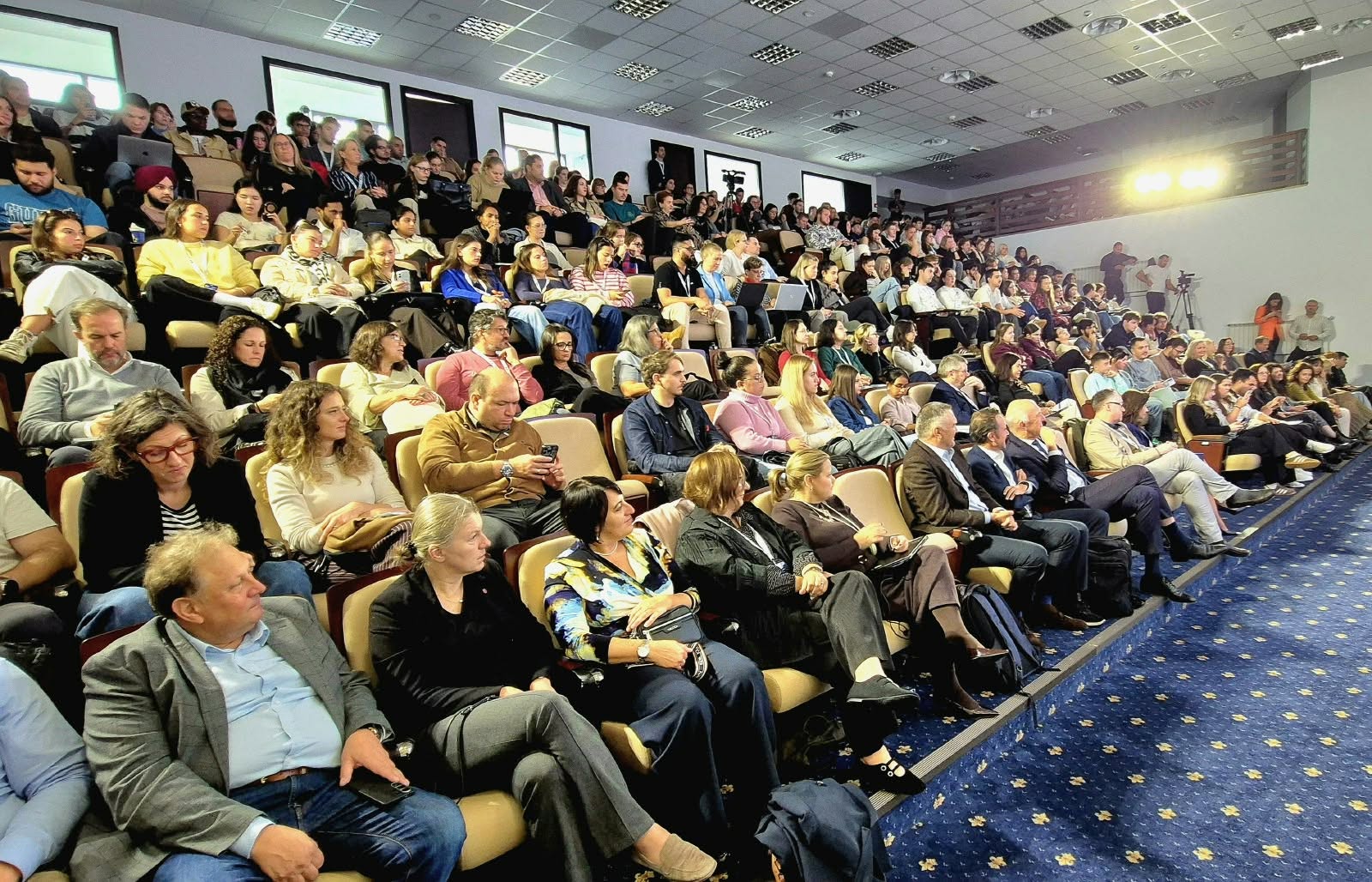
This year's Congress, held under the theme From Formation to Impact, highlighted the transition from establishing collaborative structures to achieving tangible outcomes in education, mobility, scientific research and community engagement. During the annual gathering, representatives of all ACE²-EU work packages presented the progress achieved during the project's second year of implementation. Discussions addressed, among other topics, the development of joint educational programmes, initiatives to increase student and staff mobility, and activities aimed at strengthening the European dimension of higher education.
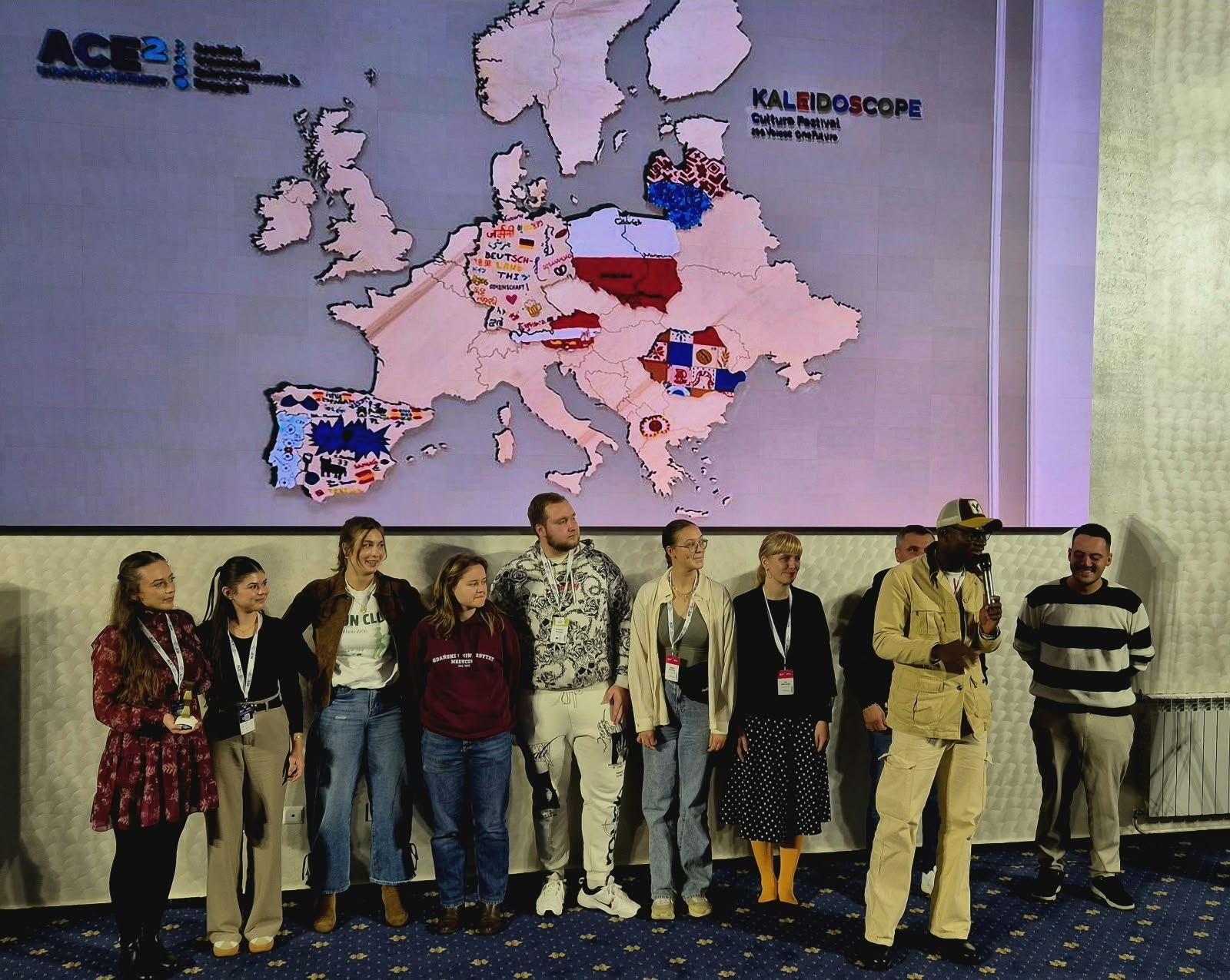
An important part of the Congress was devoted to meetings of the Student and Staff Advisory Boards. Representatives of all partner universities discussed the Alliance's future development, analysed survey findings and formulated recommendations for the ACE²-EU leadership for the coming year. The meetings emphasised the importance of actively involving the academic community in decision-making processes and shaping the future of the Alliance.
MUG was represented on the Student Advisory Board by Natalia Zawrotna, Piotr Charyga, Maja Siermantowska and Patrycja Jachimek. Working alongside representatives of the other partner universities, they developed recommendations for the further advancement of student-focused activities within ACE²-EU.
One of the most significant moments of the Congress was the signing of a declaration by the rectors and presidents of the nine partner universities concerning the establishment of an AISBL (Association Internationale Sans But Lucratif), an international non-profit association intended to provide a formal legal framework for the future operation of the ACE²-EU Alliance.
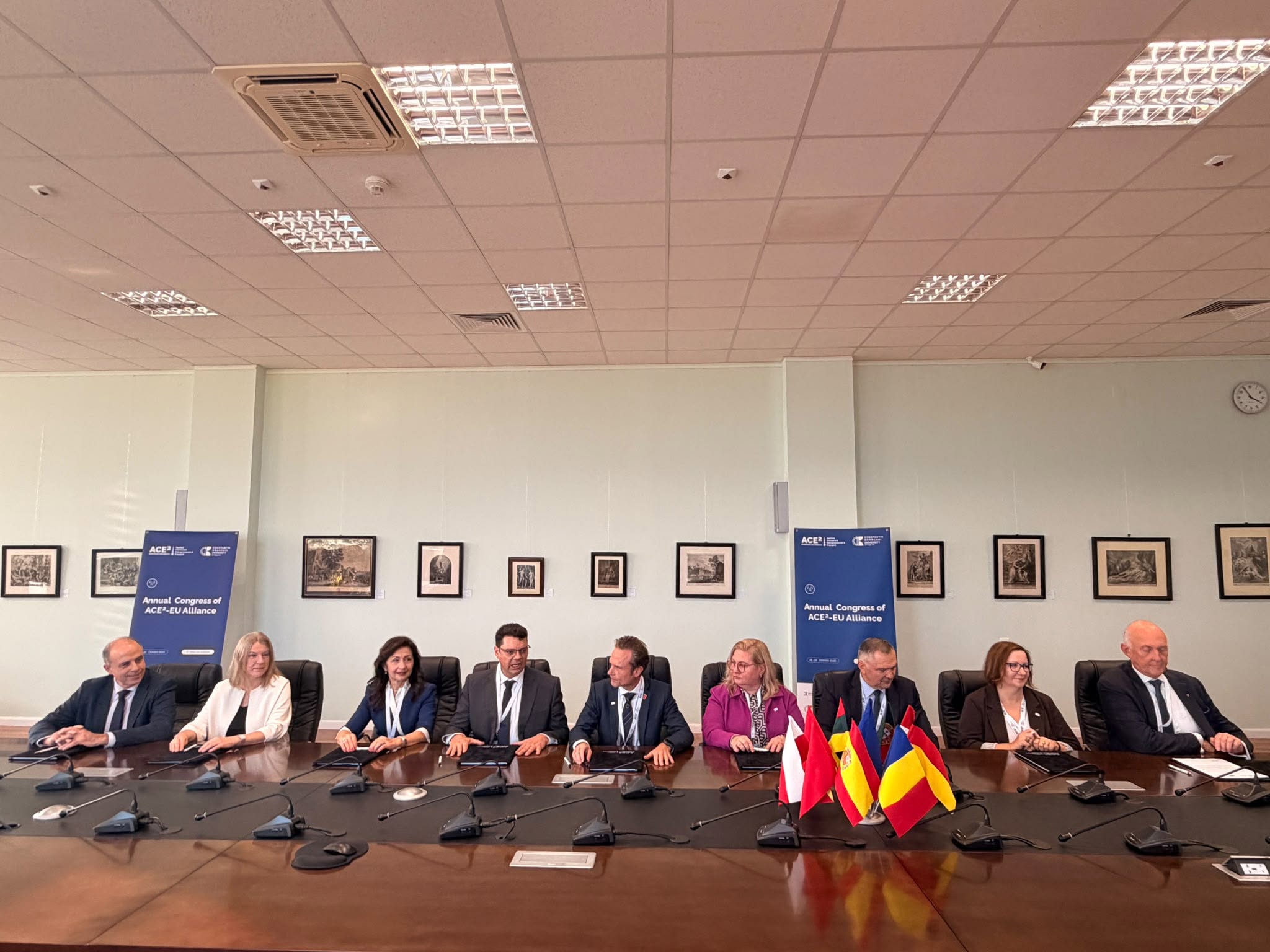
The declaration confirms the partners' shared commitment to further strengthening cooperation and establishing sustainable governance structures for the Alliance. It represents an important step towards creating a joint legal entity to support ACE²-EU activities, including the development of the e-Campus, joint educational programmes and international initiatives.
The formal establishment of the AISBL will take place at a later stage, once all required procedures and legal formalities have been completed.
Kaleidoscope 2026: 100 Voices – One Future
The Kaleidoscope 2026 cultural festival, held under the theme 100 Voices – One Future, took place alongside the Congress. Students from all partner universities participated in the event, spending three days exploring Europe's cultural diversity through workshops, creative challenges, artistic activities and collaborative projects.
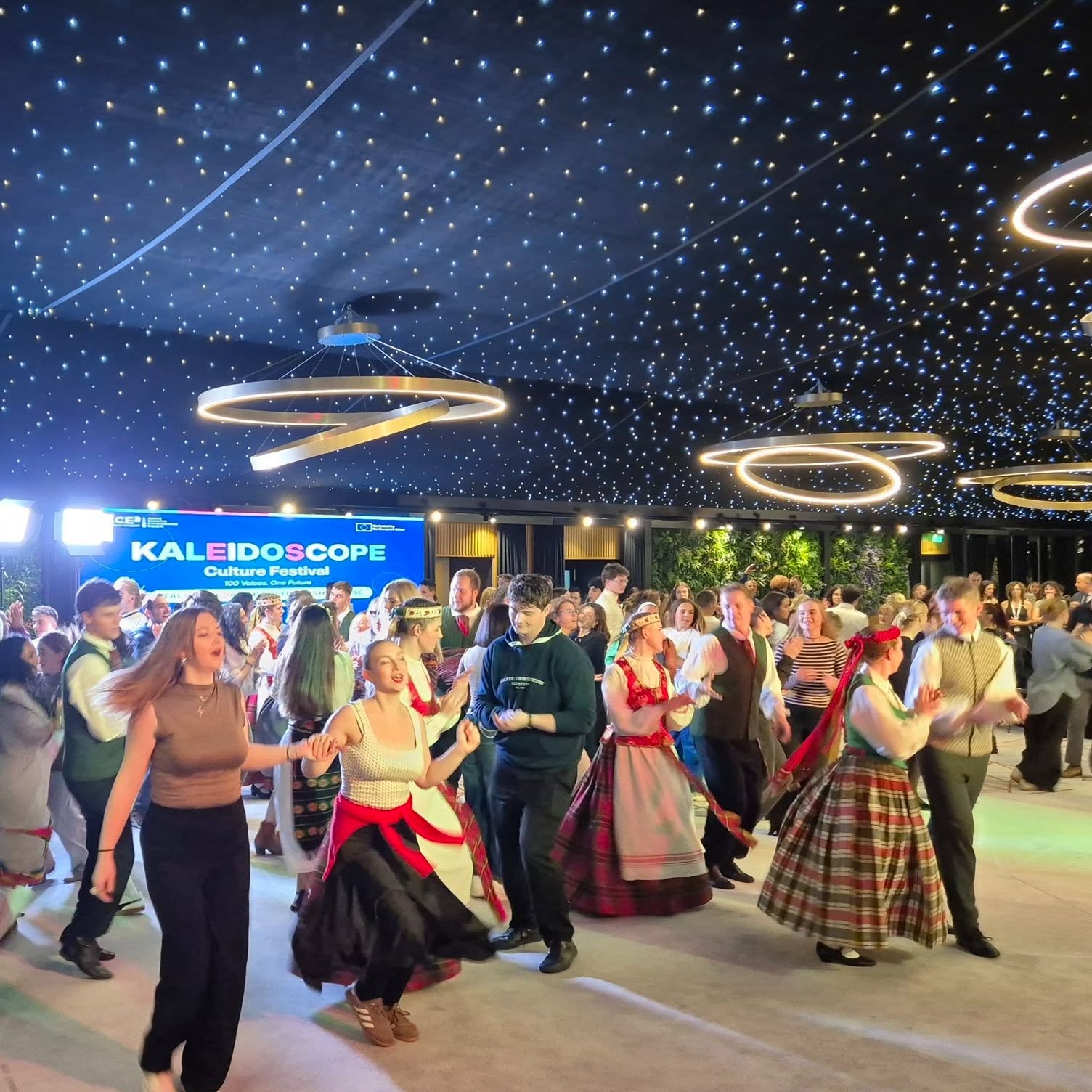
The festival programme included the Student Innovation Lab, digital storytelling workshops, activities dedicated to the region's cultural heritage and events designed to bring together participants from different countries. The Kaleidoscope of Cultures Showcase attracted particular interest, providing students with an opportunity to present the traditions, music, dance and cultural heritage of their respective countries.
Another important programme highlight was the inaugural edition of ACE TALK, dedicated to cultural diversity, a sense of belonging and the wellbeing of the academic community. Students, staff and representatives of the partner universities' leadership took part in the discussion, exploring how to create an open, inclusive and welcoming academic environment across Europe.
The Kaleidoscope festival was also attended by 12 students from the Medical University of Gdańsk. Their participation and stay were coordinated by Małgorzata Polak from the Welcome Point, who provided support throughout the event. The MUG students actively engaged in intercultural activities, workshops, presentations and networking events, representing the University and promoting Polish culture within the international ACE²-EU community.
The festival concluded with the ceremonial ACE GALA Awards, presentations showcasing the outcomes of participants' work and a classical music concert, bringing to a close three days of intensive collaboration, exchange of experiences and intercultural dialogue.
ACE²-EU: a European community of shared values
This year's Congress reaffirmed that ACE²-EU is not merely a project funded through the Erasmus+ programme, but, above all, a growing community of nine European universities creating new opportunities for students, researchers and staff.
The gathering in Târgu Jiu provided an opportunity to review achievements to date and identify priorities for the Alliance's further development. It also demonstrated that the foundation of ACE²-EU lies in its people: students, staff and partners whose collaboration, exchange of experiences and joint initiatives are helping to establish new standards in European higher education.
The Congress concluded with the symbolic handover of responsibility for organising the next edition to the Latvian Academy of Culture, which will host the Third ACE²-EU Annual Congress.
ACE²-EU represents nine universities united by a shared vision and an increasingly strong European academic community, working together to build a future founded on collaboration, innovation and mutual trust.



