Stage I
Development of an SEO filtration method, homogenisation of antibiotic suspensions in SEO, and selection of packaging (technological stage).


Development of an SEO filtration method, homogenisation of antibiotic suspensions in SEO, and selection of packaging (technological stage).
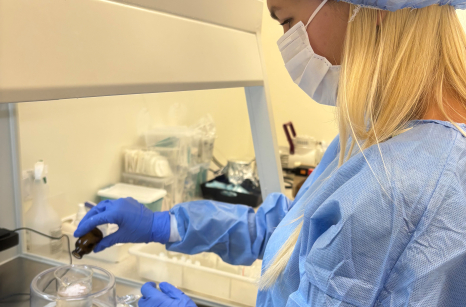
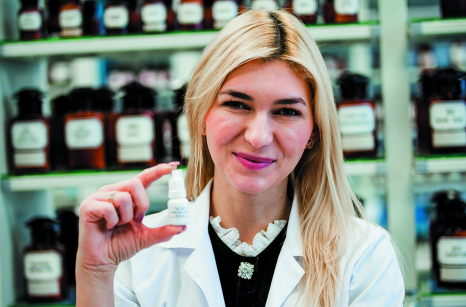
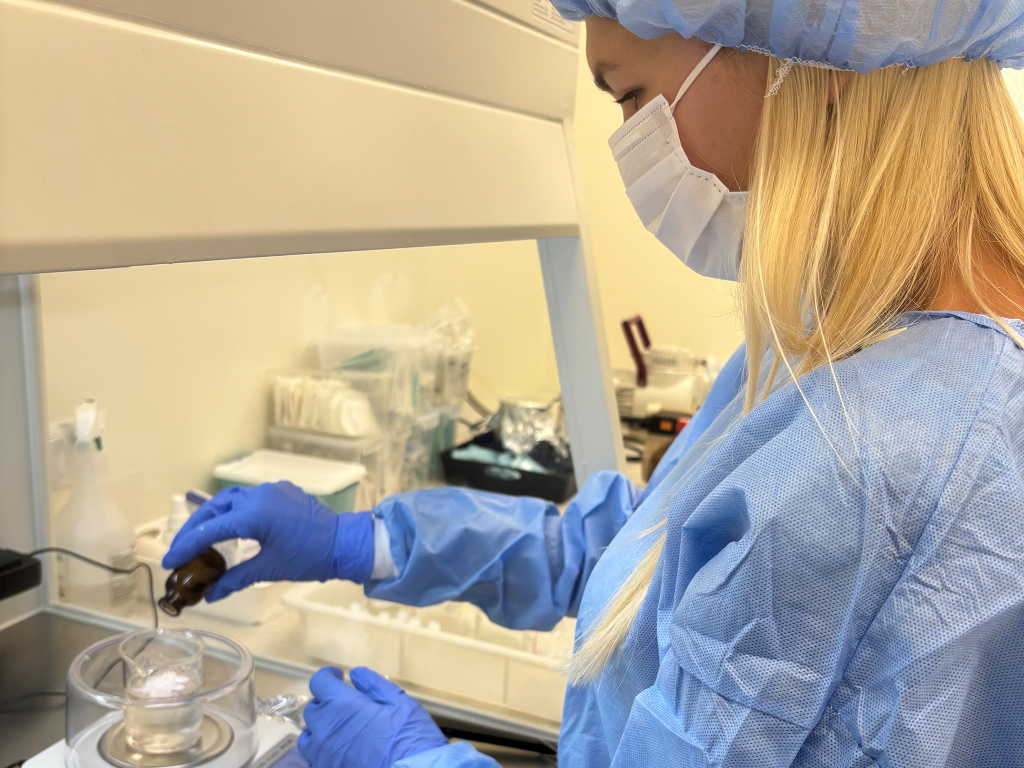
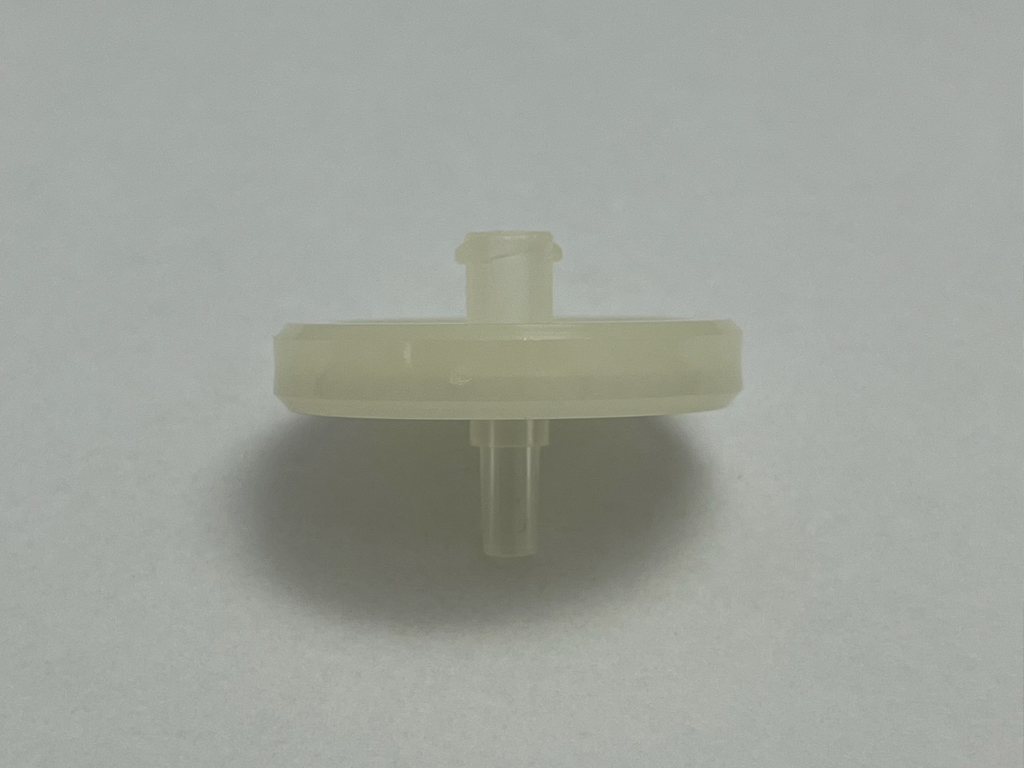
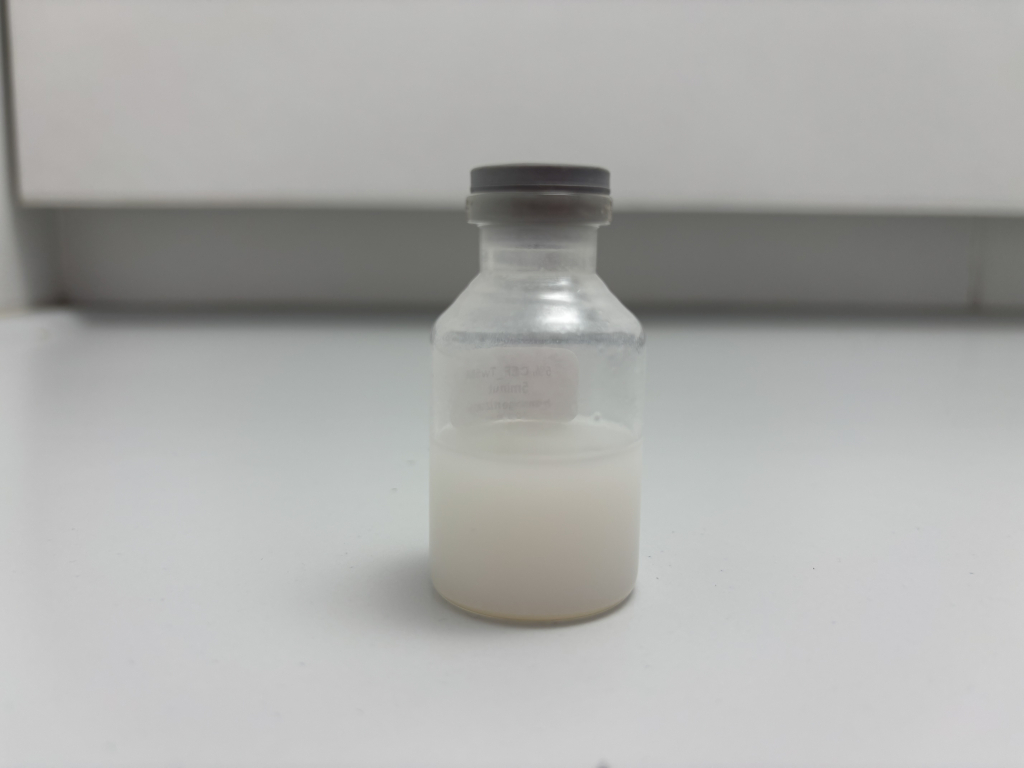
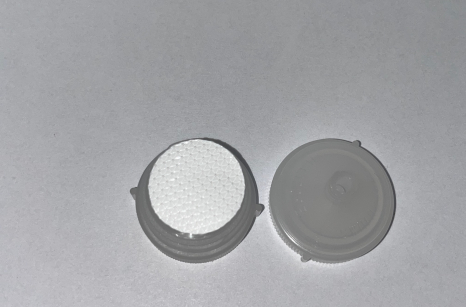
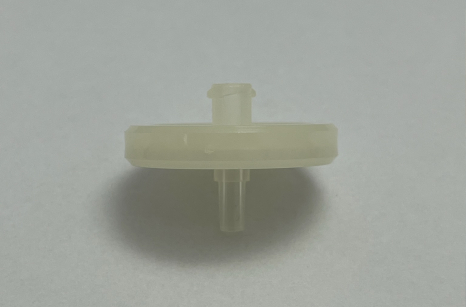
The suspension is prepared from sterile antibiotics and a sterile dispersing phase: a carrier consisting of oil and a surfactant (SEO). Sterilisation of SEO (removal of potential microorganisms) is performed by filtration through filters with a pore size of 0.2 µm. Selecting an appropriate filtration membrane material is essential to avoid interactions with SEO that could, for example, result in substances leaching from the filter into SEO or compromise membrane integrity. Experiments conducted to date have identified a suitable type of hydrophobic filter that permits rapid passage of SEO. No changes in the microscopic structure of the filter have been observed; chemical analyses are ongoing.
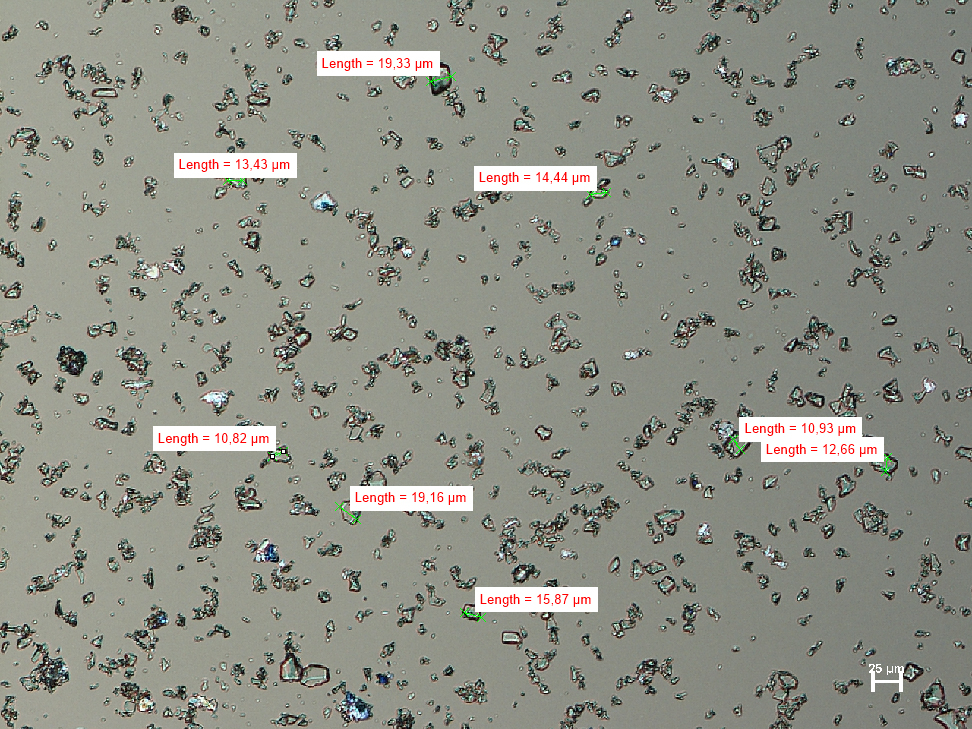
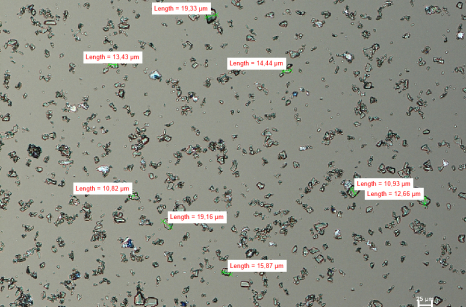
Homogenisation of the suspension is intended to achieve uniform dispersion of solid particles in the liquid, which is essential for delivering a consistent dose of the medicine when the drops are administered. This is a necessary stage in the industrial manufacture of suspensions. Homogenisation can be carried out using various techniques, including high-pressure, ultrasonic and high-speed shear homogenisers. These techniques have been applied on a laboratory scale within the project, and optimal process parameters have been selected for each type of equipment. The effectiveness of the optimised procedures has been documented by microscopic, chromatographic and spectroscopic analyses, which have also demonstrated the chemical stability of the antibiotics. The studies revealed differences in the susceptibility of vancomycin hydrochloride and cefuroxime sodium suspensions to homogenisation; these differences are now being investigated in greater detail.
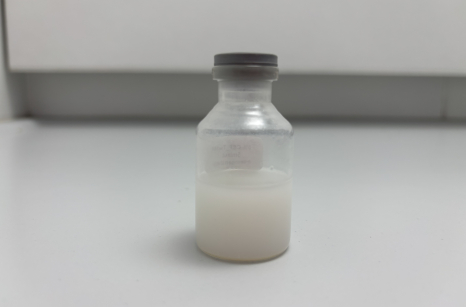
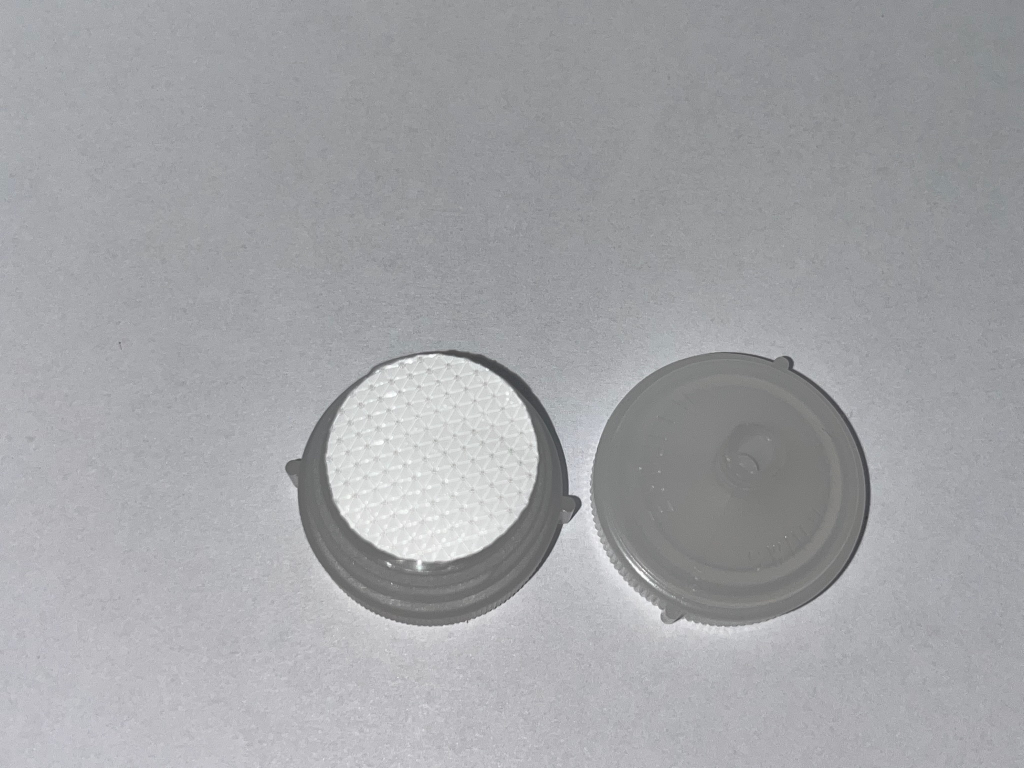
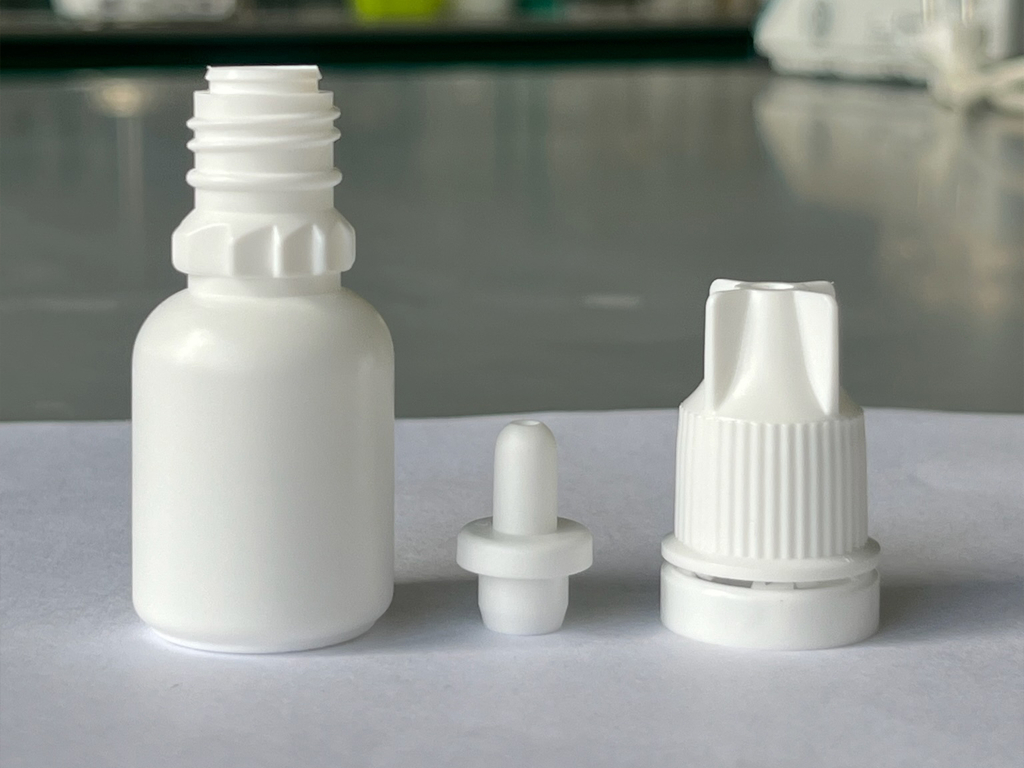
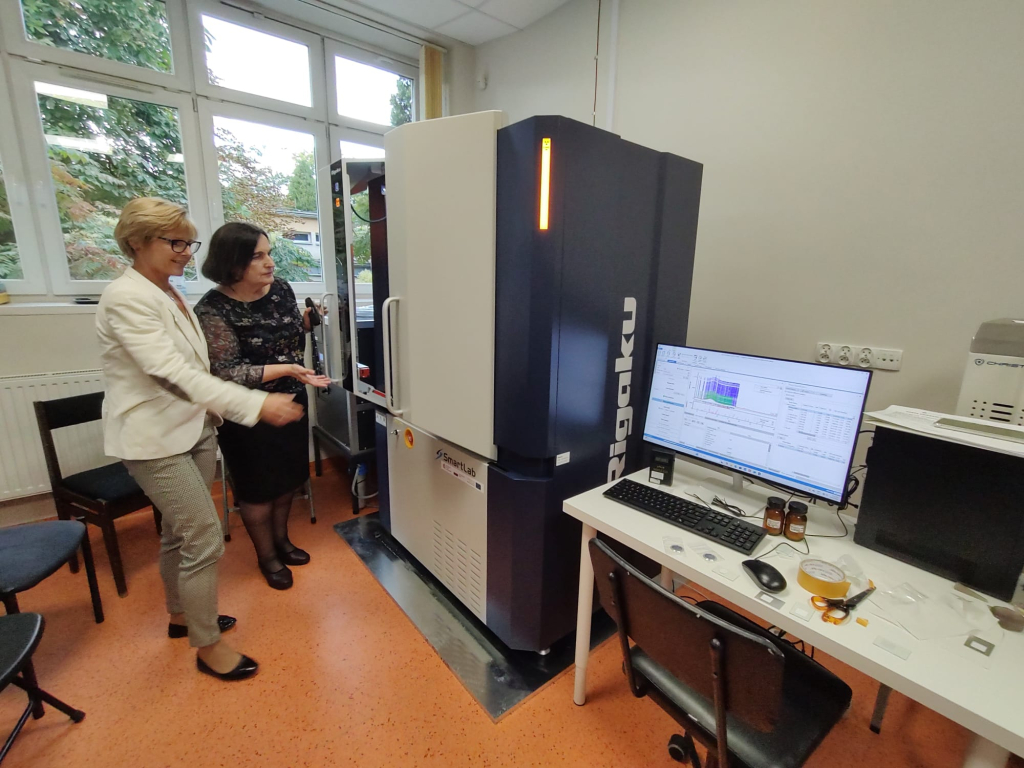
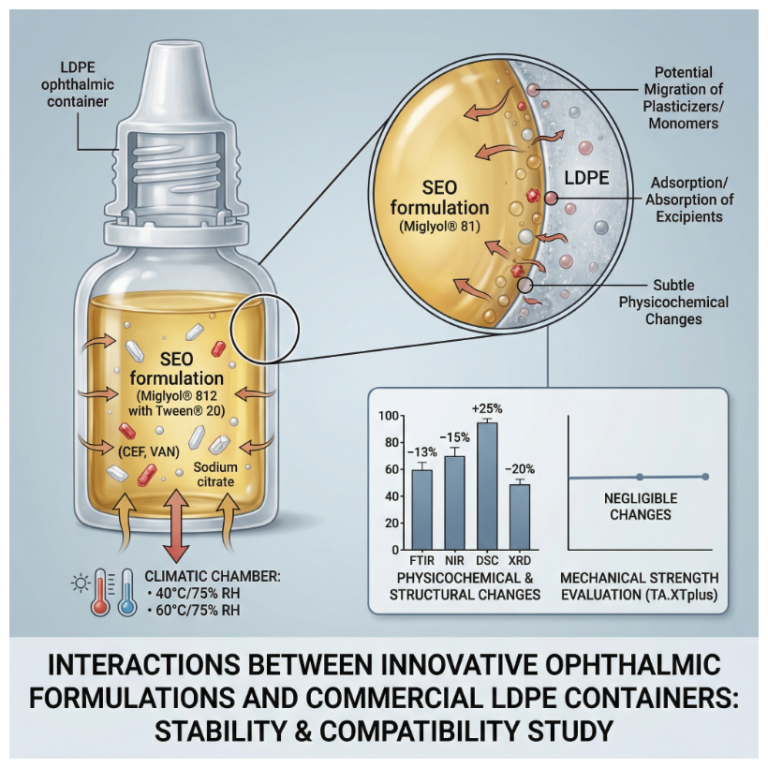
Commercially available eye drop containers were reviewed, including six types of 5–10 mL bottles and single-dose containers known as minims (0.5–1 mL). On the basis of accelerated stability studies, the most suitable bottle was selected. Further long-term stability studies are being conducted using the selected container, made of low-density polyethylene (LDPE). Potential interactions between the formulation and its packaging will be assessed not only through chromatographic determination of antibiotic content but also through analysis of the formulation’s chromatographic purity. Physical investigations are also being carried out, including assessments of container strength, packaging material texture and spectroscopic characteristics (ATR-FTIR and NIR-ATR). X-ray diffraction studies and detailed microscopic examinations are also planned. The analyses will be supplemented by assessments of the stability of the formulation’s rheological properties and the mechanical strength of the packaging material, using a texture analyser and a rheometer. These instruments are currently being purchased under the project.
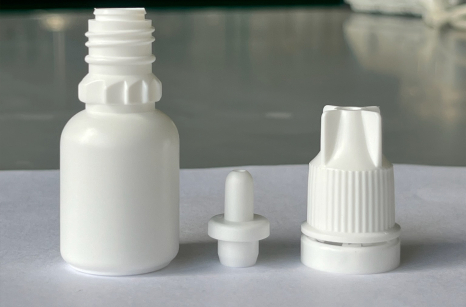
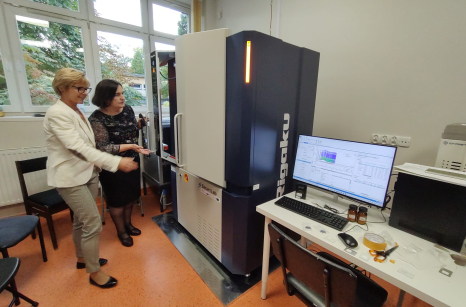
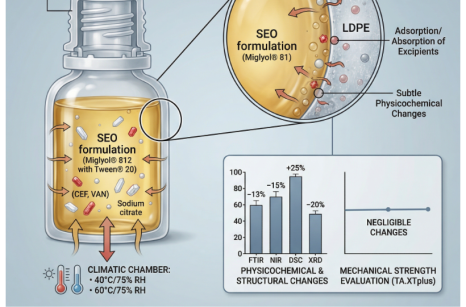
Diagram generated using https://illustrae.co/