

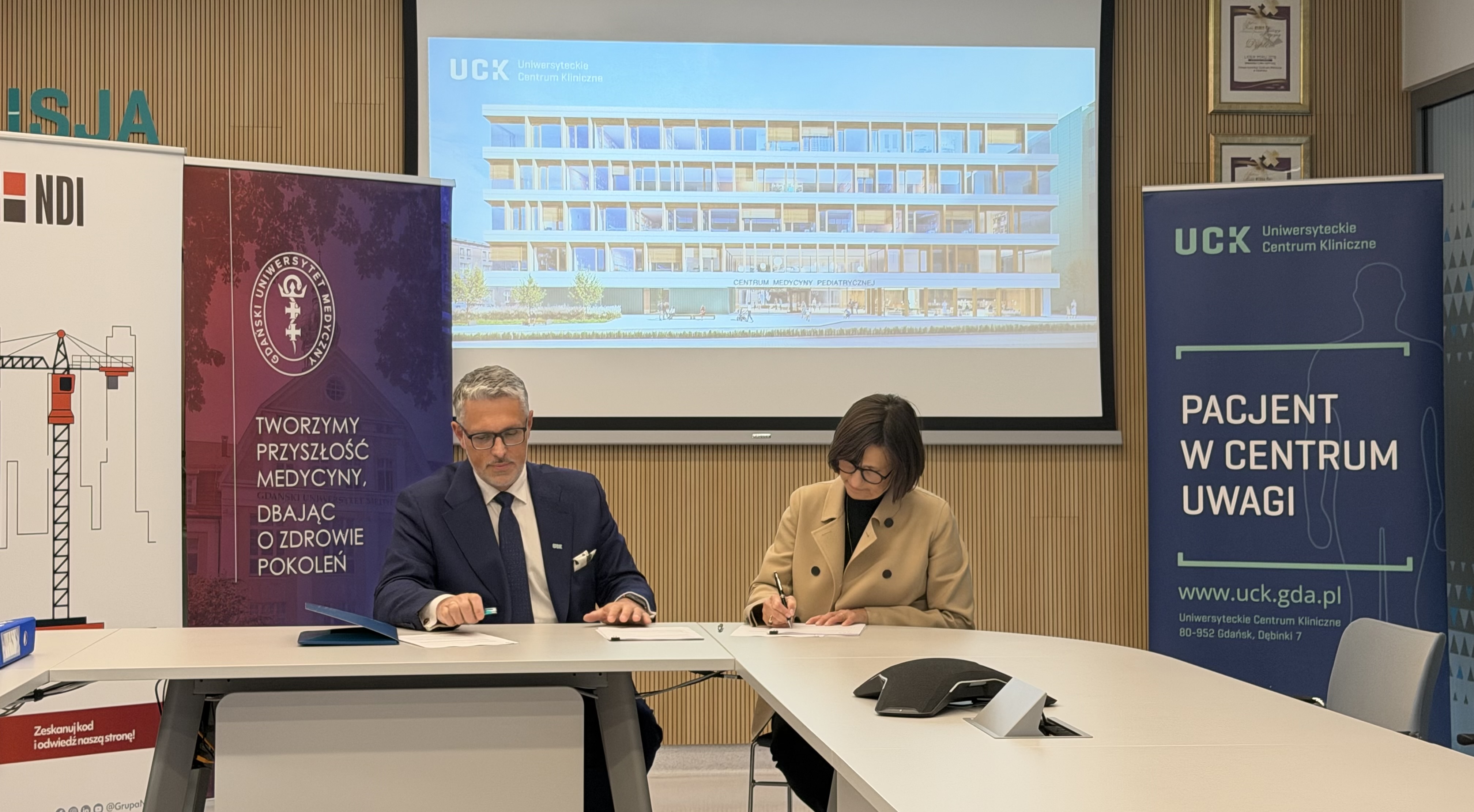
The University Clinical Centre (UC), the MUG hospital, and the NDI Group have signed a contract for the construction of the Centre for Paediatric Medicine. The new complex will significantly expand the UCC’s diagnostic and therapeutic capabilities for children from both the Pomeranian region and across Poland. Construction is scheduled for completion in 2029.
The investment project, for which a contract was signed between the UCC and the NDI Group on 24th November 2026, encompasses the partial demolition of existing facilities, the construction of a new building to house the Centre for Paediatric Medicine, the provision of the necessary technical, road and energy infrastructure, and the installation of selected specialist medical equipment.
Quite simply, our existing facilities were becoming too small. The Centre for Paediatric Medicine will primarily provide the infrastructure and surgical facilities required for paediatric procedures. The new centre will enable us to separate adult and paediatric treatment pathways. It will provide our youngest patients with greater comfort during treatment and allow them to stay with their parents in considerably improved conditions. The facility will accommodate our day wards and outpatient clinics, which are already successfully providing treatment to young patients in a manner that is convenient for them. It will also house numerous other units essential to the delivery of effective, modern paediatric care, explains Jakub Kraszewski, Ph.D., Chief Executive Officer of the University Clinical Centre.
This is a particularly important investment not only for the UCC, the teaching hospital of the Medical University of Gdańsk, but also for the University itself. The new facilities and exceptionally modern infrastructure will enable us to further enhance the quality of education and training for healthcare professionals in paediatrics, adds Prof. Michał Markuszewski, Rector of the Medical University of Gdańsk.
The contract is valued at approximately PLN 365 million, of which PLN 299 million is provided by the Ministry of Health through the Medical Fund. The remaining amount will be financed by the University Clinical Centre.
In addition, the cost of equipping the new hospital is estimated at between PLN 50 million and PLN 60 million. The UCC will therefore contribute a total of between PLN 110 million and PLN 120 million from its own resources. This has been made possible by the financial surplus generated by the hospital in recent years, explains Arkadiusz Lendzion, Deputy Chief Executive Officer for Infrastructure and Investment at the UCC.
He adds that construction work will commence immediately following the signing of the contract.
We are required to hand over the construction site within 14 days of signing the contract. The following 10 days will be devoted to securing the site and commencing earthworks. This will be a particularly demanding investment project, as construction will take place alongside a fully operational hospital – effectively at the very heart of its premises, says Arkadiusz Lendzion.
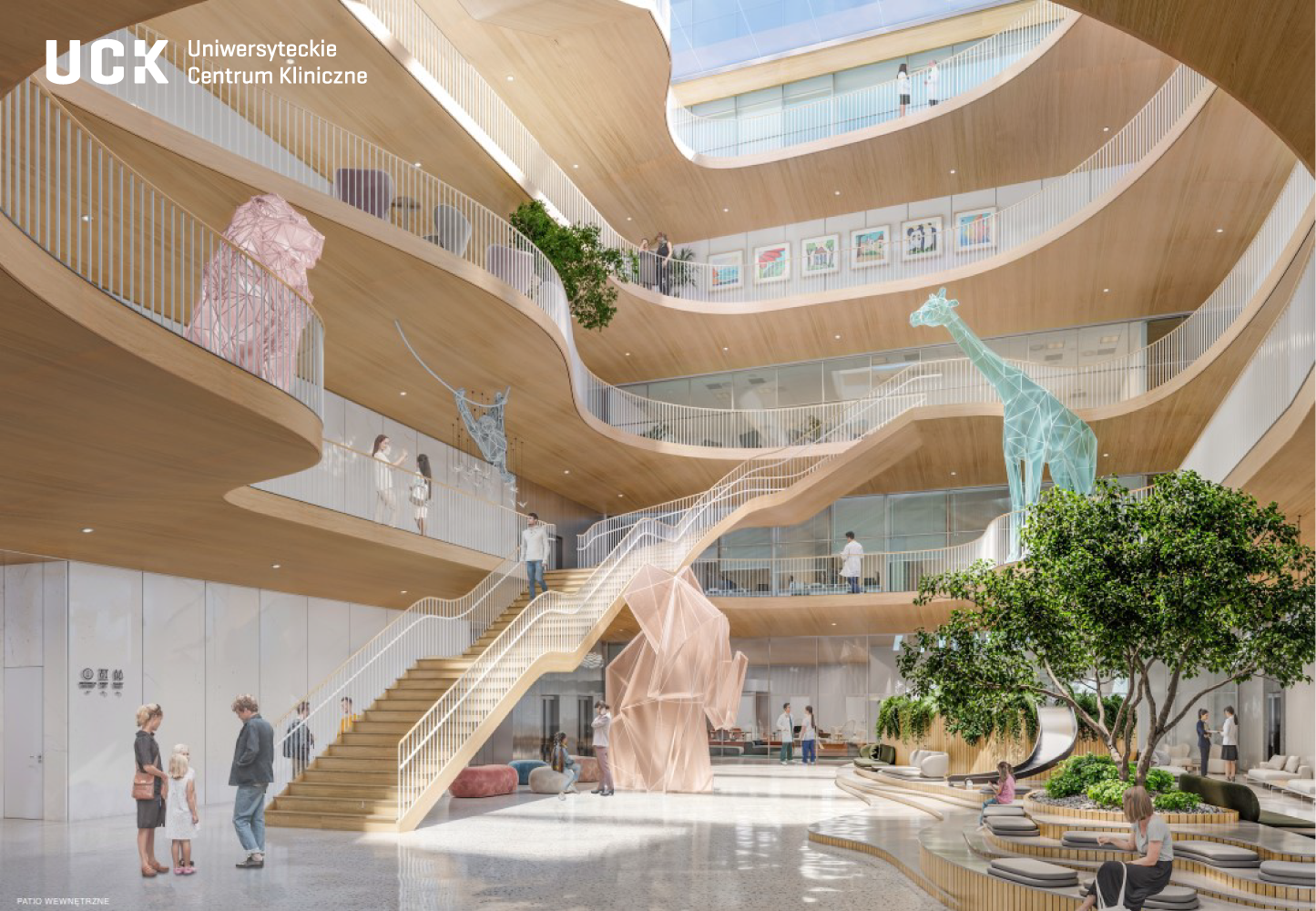
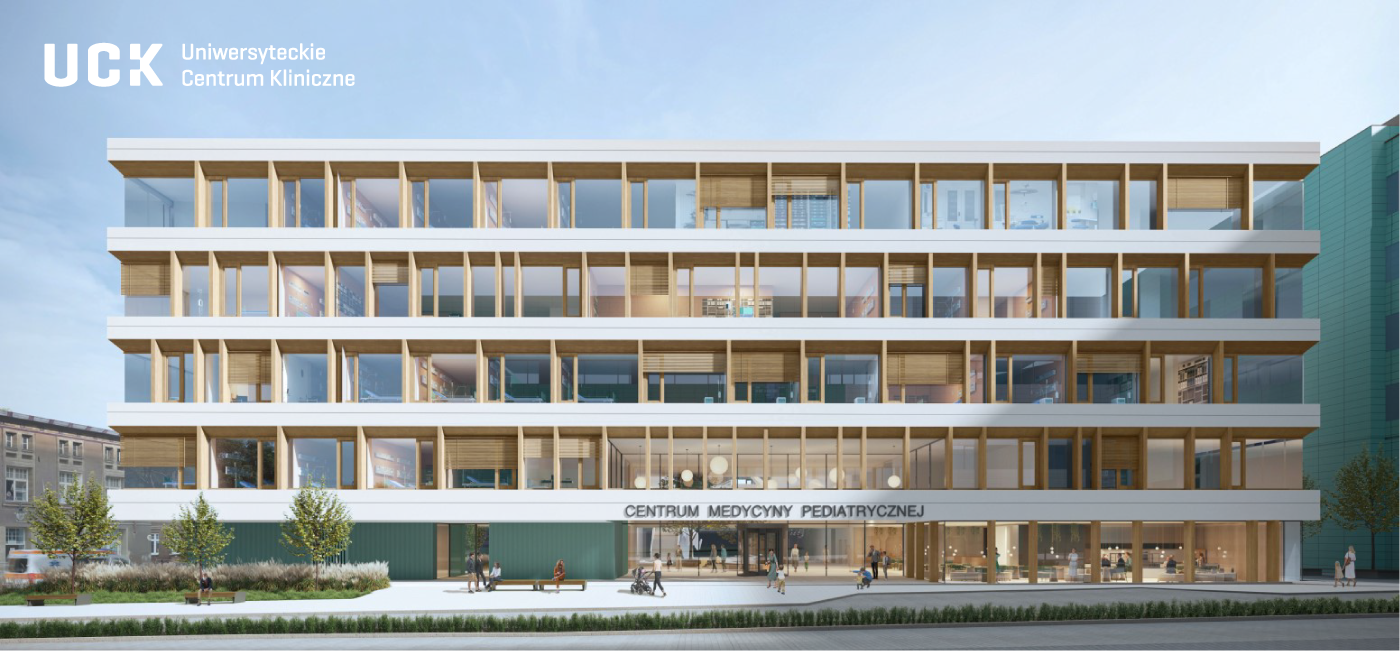
The Centre for Paediatric Medicine will comprise six storeys, including two underground levels, and will have a total floor area of approximately 30,000 square metres. It will be constructed on the site of older buildings forming part of the main UCC complex and will be connected to the existing hospital infrastructure by connecting corridors.
From the outset, our investment strategy has envisaged the construction of large buildings forming a single, integrated hospital complex. This enhances patient comfort, but above all improves treatment efficiency and facilitates faster recovery. Our objective is to ensure that all facilities are interconnected, that treatment is delivered through a multidisciplinary approach, and that the layout of the buildings supports this model of care, he adds.
Construction of the Centre for Paediatric Medicine is scheduled for completion in 2029. Following the completion of construction work, approximately three to four months will be allocated to equipping the new facility with specialist medical equipment and relocating hospital wards and units to their new premises.
As a locally based company, we are extremely proud and honoured to contribute to the construction of this exceptional and much-needed facility, which will serve the residents of Pomerania and, above all, children, says Małgorzata Winiarek-Gajewska, President of the Management Board of the NDI Group.
Hospital facilities and functional layout
The new hospital building will accommodate the following clinical and support units:
Level +4: Department of Paediatric Surgery – 37 beds; High Dependency Unit – 5 beds; educational rooms; Day Rehabilitation Unit.
Level +3: Operating Theatre Suite comprising four operating theatres; Post-Anaesthesia Care Unit – 6 beds; Department of Intensive Care – 12 beds.
Level +2: Division of Paediatric Radiology with a recovery room – 6 beds; Endoscopy Unit; Department of Developmental Neurology – 25 beds.
Level +1: Day Ward with diagnostic and treatment facilities – 15 beds; outpatient clinics and diagnostic facilities.
Level 0: Entrance hall; Planned Admissions Unit with a registration desk; outpatient clinics and diagnostic facilities; Observation Ward – 4 beds.
Level −1: Technical and storage facilities; administrative offices; delivery area; meal distribution facilities; changing rooms; waste storage facilities.
Level −2: 121 parking spaces and technical facilities.
The Centre will be equipped with state-of-the-art medical equipment, including CT and MRI scanners, X-ray systems, an angiography system, surgical video imaging systems, operating tables with interchangeable tabletops, mobile X-ray units, ventilators, defibrillators, anaesthesia machines, cardiac monitors and endoscopes.
The building will also incorporate advanced telecommunications and low-voltage systems designed to facilitate patient care and ensure the safety of patients, staff and all other building occupants.


