

A team from the Medical University of Gdańsk, comprising Iga Walczak, M.A., Klaudia Stawarska, M.A., Alicja Braczko, Ph.D., Dr. Habil. Beata Schlichtholz and Dr. Habil. Barbara Kutryb-Zając, Assoc. Prof., from the Department of Biochemistry and Maria Tarnawska, Ph.D., Dorota Smolarek, Ph.D., and Prof. Marcin Hellmann, M.D., Ph.D., from the Department and Chair of Cardiac Disease Diagnostics has published an article entitled Endothelial Cell Senescence and Mitochondrial Dysfunction in Vascular Ageing in the prestigious journal Ageing Research Reviews.
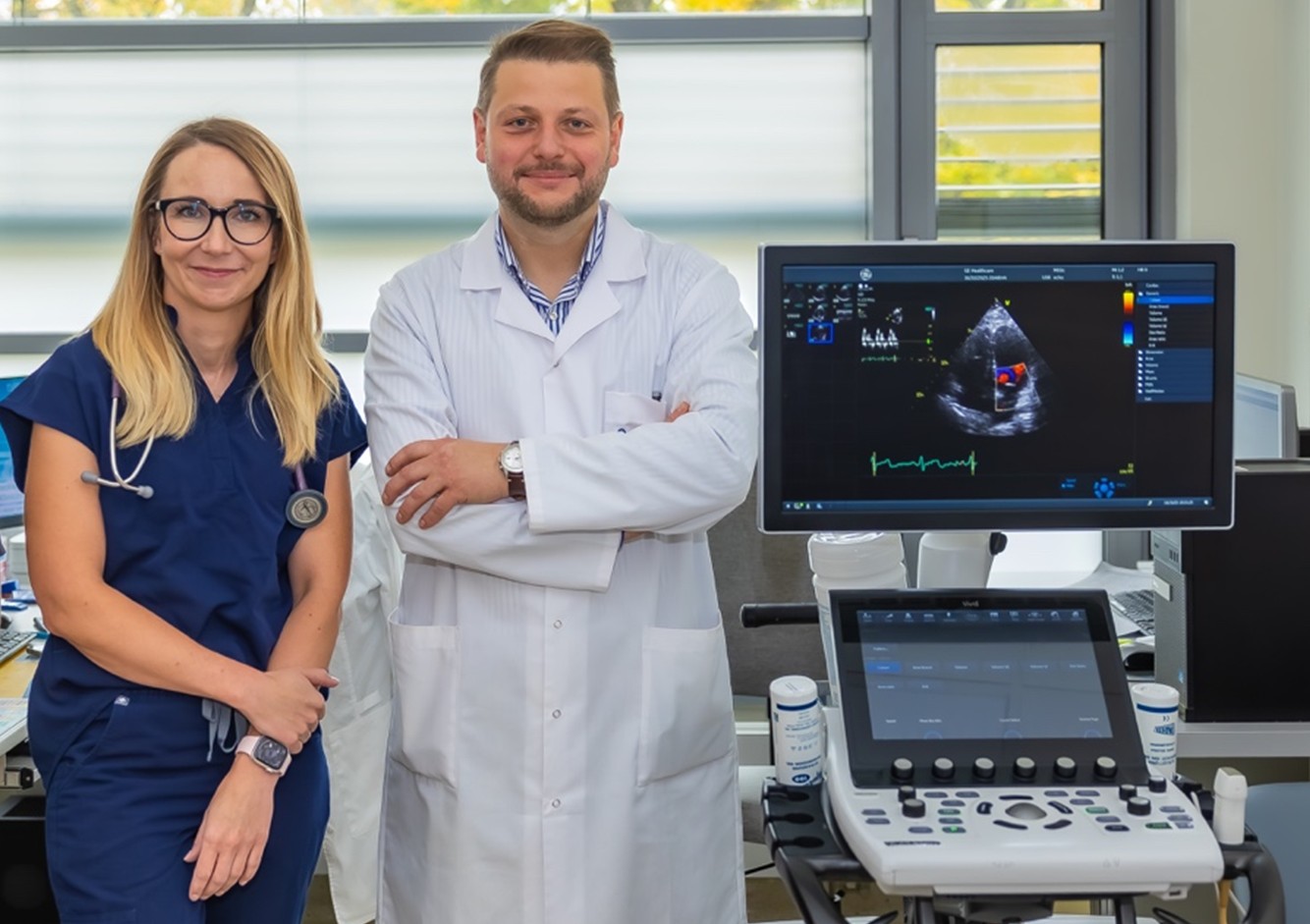
The paper addresses the role of the vascular endothelium and mitochondria in the mechanisms underlying ageing and vascular dysfunction. The authors present a current perspective on metabolic processes, oxidative stress, and endothelial cell senescence, highlighting their interconnections and significance for cardiovascular function. The vascular endothelium is a key regulator of systemic homeostasis, and its dysfunction leads to a loss of vascular adaptive capacity and an increased risk of cardiovascular diseases. The study also emphasizes the central role of endothelial mitochondria, whose impairment affects not only cellular energy status but also the activation of pro-inflammatory pathways and processes leading to vascular injury.
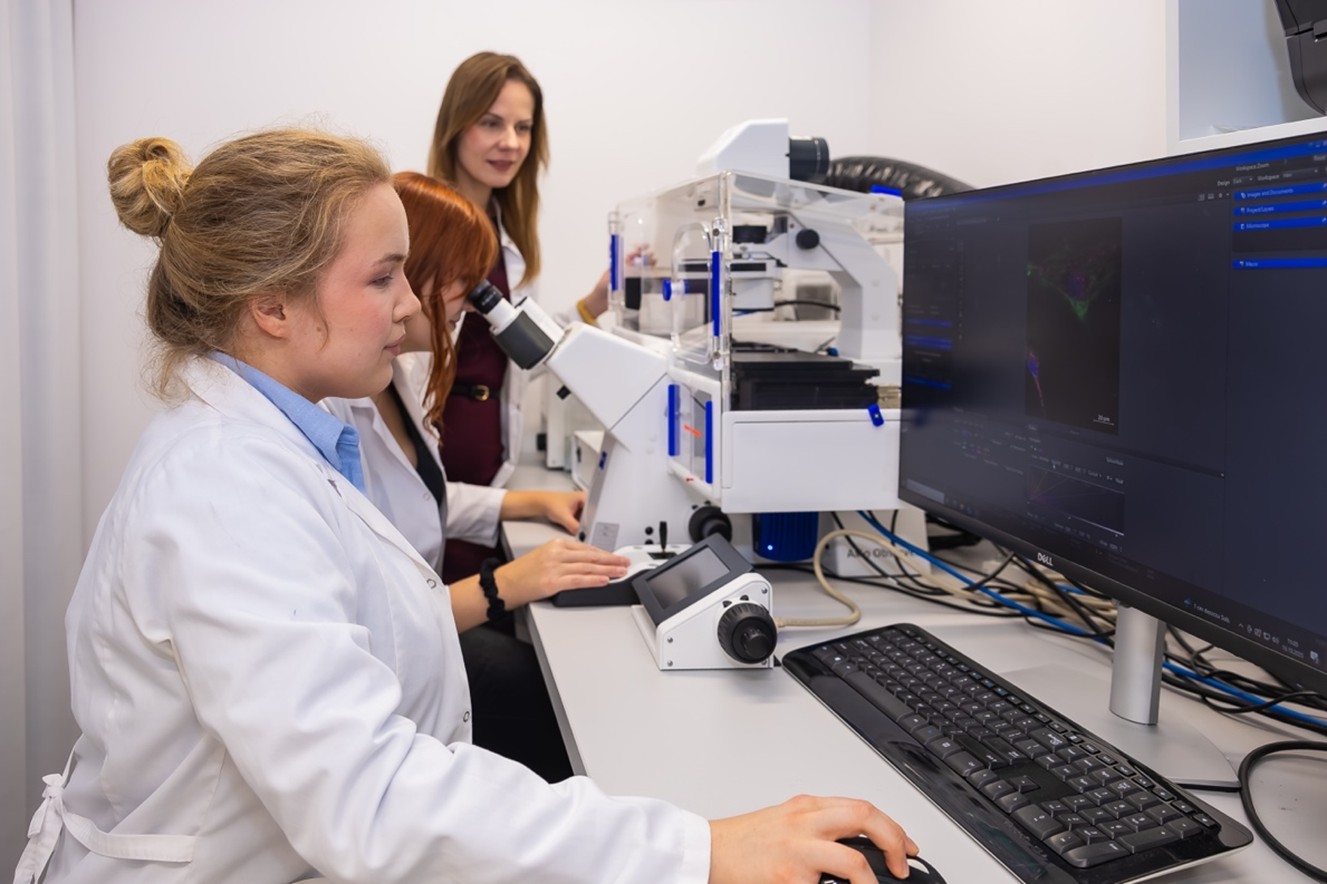
– A better understanding of the mechanisms of senescence and mitochondrial dysfunction may enable the identification of novel biomarkers and therapeutic targets in diseases associated with endothelial dysfunction, emphasize the corresponding authors from the Medical University of Gdańsk, Prof. Barbara Kutryb-Zając and Prof. Marcin Hellmann. Integrating research on molecular mechanisms with a clinical perspective allows for a more comprehensive understanding of processes occurring within the vascular wall and points to new directions for future studies. The publication is the result of their collaboration in research on vascular metabolism. In recent years, the team has published numerous experimental and clinical studies covering, among others, microcirculation, cellular bioenergetics and the effects of novel therapies on vascular function.
The article was prepared in collaboration with the Centre of Postgraduate Medical Education, the National Institute of Cardiology, the University of Gdańsk and the University of Grenoble. Despite its review character, it also includes original findings from the research team, obtained using a model of coronary microvascular endothelial cells isolated from patients with heart failure. These studies demonstrated significant alterations in the structure and function of mitochondria in ageing cells under in vitro conditions, providing direct evidence for the importance of bioenergetic disturbances in processes leading to vascular dysfunction. At the Medical University of Gdańsk, this research is being conducted by Iga Walczak, M.A., the first author of the published article, as part of her doctoral project entitled: “Effects and mechanisms of sodium-glucose cotransporter 2 (SGLT2) inhibition in the vascular endothelium,” supervised by Prof. Barbara Kutryb-Zając and Maria Tarnawska, Ph.D.. This work is part of a broader research field focused on endothelial dysfunction and simultaneously constitutes a component of projects funded by the National Science Centre, including the OPUS project entitled: “Mitochondrial effects of flozins in endothelial cells – a new approach to the prevention, diagnosis, and treatment of heart failure,” led by Prof. Barbara Kutryb-Zając. More information about the project can be found on the National Science Centre website: https://www.ncn.gov.pl/przyklady-projektow/kutryb-zajac.
The full article is available at: https://doi.org/10.1016/j.arr.2026.103119.
Ageing Research Reviews is one of the leading journals in the field of ageing biology (Impact Factor 12.4; Journal Citation Reports, Clarivate 2024), ranked in the top decile of scientific journals worldwide.


